

Understanding a Big Toe Curved Inward With No Bunion A big toe curved inward without a bunion is a distinct foot condition that differs from the more common hallux valgus deformity, which typically includes a noticeable bony bump at the base of the big toe. This involves the inward bending of the big toe at …


Understanding a Big Toe Curved Inward With No Bunion
A big toe curved inward without a bunion is a distinct foot condition that differs from the more common hallux valgus deformity, which typically includes a noticeable bony bump at the base of the big toe. This involves the inward bending of the big toe at the metatarsophalangeal (MTP) joint without a noticeable bony bump at the base of the toe. Recognizing this difference is important for accurate diagnosis and effective treatment.
Causes of a Big Toe Curved Inward Without a Bunion
Several factors can contribute to this condition, including biomechanical abnormalities, footwear choices, injuries, and medical conditions affecting joint health.
- Biomechanical Factors and Weak Foot Structure: A weak foot structure, such as flat feet or hypermobile joints, can cause instability and uneven pressure distribution during walking or standing. This instability may lead to the first toe joint bending sideways without developing a bunion.
- Footwear and Injury: Wearing tight shoes, narrow or pointy-toed shoes, and high heels compresses the toes into unnatural positions, which can cause the big toe to curve inward. Previous trauma or injury to the foot or toe can also damage ligaments and tendons, contributing to misalignment.
- Muscle and Tendon Imbalances: Muscle and tendon imbalance around the big toe can gradually pull it out of alignment, especially when the foot is unstable or the toe is repeatedly squeezed by footwear.
- Medical Conditions: Conditions such as rheumatoid arthritis, connective tissue disorders, or joint inflammation can weaken the joint at the base of the big toe, leading to inward curvature without the typical bunion bump.
Symptoms and When to Seek Care
Symptoms of a big toe curved inward without a bunion may include:
- Big toe pain or discomfort, especially at the first toe joint.
- Difficulty wearing shoes due to toe misalignment or rubbing.
- Visible inward bending of the big toe.
- Skin discoloration or painful calluses developing from friction.
- Stiffness or reduced range of motion in the toe joint.
If you experience persistent toe pain, increasing deformity, or difficulty walking, early diagnosis and intervention by a healthcare professional can help reduce pain, improve function, and reduce ongoing joint irritation.
Diagnosis of a Bent Big Toe Without a Bunion
An accurate diagnosis involves a physical exam to assess toe alignment, foot structure, and gait. During evaluation, we check toe alignment (distinguishing between the interphalangeal (IP) and metatarsophalangeal (MTP) joints), joint tenderness, range of motion, plantar plate and ligament stability, and review weight-bearing X-ray findings. Imaging tests such as weight-bearing X-rays help evaluate bone structure and joint alignment, distinguishing arthritis from soft tissue imbalance. Advanced imaging like MRI or ultrasound may be used to assess soft tissue involvement and joint inflammation.
Why the MTP Joint Matters
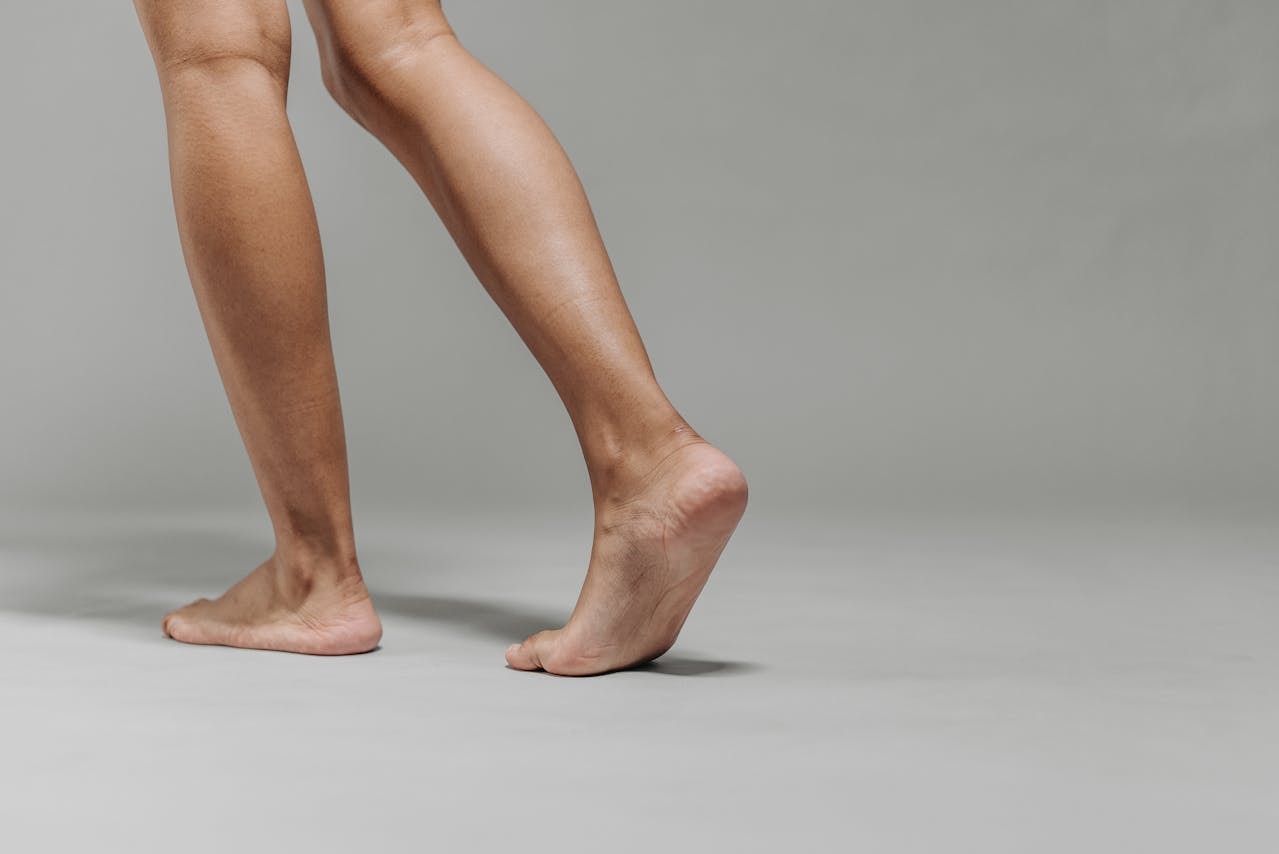
The metatarsophalangeal (MTP) joint at the base of the big toe plays a key role in foot mechanics by enabling toe movement and weight bearing during walking. The location of the bend whether at the IP or MTP joint affects treatment decisions.
Conservative Treatments and Foot Health
Early care focuses on reducing symptoms and improving mechanics, and may help limit ongoing irritation:
- Proper Footwear: Choose shoes with ample room, a wide and round toe box, and avoid tight or narrow shoes and high heels that exacerbate toe deformities.
- Orthotics and Protective Padding: Custom orthotics can support the arch and reduce stress through the big-toe joint. Gel sleeves or protective pads can reduce rubbing and pressure where shoes irritate the toe.
- Physical Therapy and Exercises: Strengthening and stretching exercises help maintain proper foot and toe alignment. Physical therapy can address muscle imbalances and improve foot biomechanics.
- Toe Straighteners and Splints: Wearing toe straighteners or splints at night can help gently position the big toe and reduce deforming forces.
- Other Treatments: Activity modification and pain management with analgesics may provide relief. If inflammation or arthritis is present, a corticosteroid injection may be considered in select cases. Your clinician will weigh benefits and risks, and repeated injections are generally avoided.
Potential Complications if Left Untreated
Without treatment, a big toe curved inward may lead to:
- Development of other toe deformities such as hammer toes, claw toes, or mallet toes in some people due to altered pressure and crowding.
- Arthritis or increasing stiffness in the MTP joint, sometimes referred to as hallux rigidus, causing pain and loss of mobility.
- Painful calluses and skin discoloration from abnormal friction.
- Transfer metatarsalgia, where metatarsal bones may bear excess load due to toe misalignment.
Surgical Treatment Options
In severe cases or when conservative treatments fail, surgery may be necessary. Surgery is typically considered when pain or function limits daily activities despite a consistent trial of conservative care. Procedures include:
- MTP joint fusion to relieve pain in advanced arthritis by fusing the first toe joint.
- Soft tissue procedures to correct tendon and ligament imbalances.
Surgical decisions are personalized based on severity, patient health, and lifestyle goals.
Preventive Measures to Protect Foot Health
- Wear shoes with ample room and a wide toe box.
- Avoid narrow shoes and pointy-toed shoes that push the big toe inward.
- Maintain a healthy weight to reduce stress on the foot.
- Seek early intervention for toe pain or deformity to preserve joint health.
When to Consult a Foot and Ankle Specialist

If you experience persistent big toe pain, difficulty walking, or visible toe deformity, consulting a foot and ankle specialist is important. Wisconsin Foot & Ankle Clinic in Brookfield provides comprehensive evaluation and treatment for foot and ankle conditions, including big-toe alignment and joint pain.
**This article is for educational purposes and does not replace a medical evaluation. Please contact your healthcare provider for personalized advice or in case of severe symptoms.


