

Waking up in the middle of the night with throbbing, burning, or sharp toe pain can be both frustrating and concerning. While many people experience occasional foot discomfort, toe pain at night often feels more intense and disruptive to sleep quality. Understanding why this happens and identifying the underlying causes can help you find …


Waking up in the middle of the night with throbbing, burning, or sharp toe pain can be both frustrating and concerning. While many people experience occasional foot discomfort, toe pain at night often feels more intense and disruptive to sleep quality. Understanding why this happens and identifying the underlying causes can help you find effective relief and prevent future episodes.
Nighttime toe pain isn’t just “in your head” – there are legitimate physiological reasons why pain often worsens when you lie down. Factors like reduced cortisol levels, decreased distractions, inflammatory patterns, and changes in blood flow can all contribute to increased pain perception during nighttime hours. The good news is that most causes of nighttime toe pain are highly treatable when properly diagnosed and managed.
Why Your Toes Hurt at Night: The Most Common Causes
Toe pain that intensifies at night can manifest in various ways – from a dull, persistent ache to sharp, shooting sensations that jolt you awake. While the specific symptoms vary depending on the underlying condition, several common mechanisms explain why foot problems tend to worsen during nighttime hours.
One primary factor is the body’s natural inflammatory response patterns. Cortisol, your body’s built-in anti-inflammatory hormone, reaches its lowest levels late in the evening and throughout the night. This reduction in natural inflammation control allows swelling, stiffness, and pain to become more pronounced when you’re trying to sleep. Additionally, when you’re lying still, there are fewer external distractions to draw your brain’s attention away from pain signals.
Changes in positioning also play a role. When you lie down, gravitational forces affect blood flow differently than when you’re upright, potentially aggravating inflamed joints and tissues in your toes. Constriction of blood vessels, such as from smoking or underlying vascular issues, can further decrease circulation and contribute to increased pain at night. For some nerve-related conditions, the angle of your ankle and the pressure from bedding can compress sensitive nerves, leading to burning, tingling, or electric shock-like sensations.
Wisconsin Foot & Ankle Clinic specializes in diagnosing the specific cause of your nighttime toe pain through comprehensive evaluation, including physical examination, imaging studies when necessary, and analysis of your symptoms patterns. Dr. McDonald’s expertise in complex foot and ankle conditions ensures that even unusual or difficult-to-diagnose causes of toe pain are properly identified and treated.
The reassuring news for patients experiencing foot pain is that regardless of the underlying cause, effective treatment strategies are available. Most conditions respond well to conservative therapies when caught early, while advanced cases can benefit from Dr. McDonald’s fellowship training in reconstruction and revision procedures.
Medical Conditions That Cause Toe Pain at Night
Numerous medical conditions specifically affect the toes and tend to worsen during nighttime hours. Understanding these conditions and their characteristic symptoms can help you identify when professional evaluation is needed and what type of treatment might be most effective for your specific situation.
Proper diagnosis is crucial because different conditions require different treatment approaches. What works for arthritis may not be appropriate for nerve problems, and attempting to self-treat without understanding the underlying cause can sometimes delay proper care or even worsen symptoms.
Arthritis in the Big Toe (Hallux Rigidus)
Arthritis affecting the big toe joint, medically known as hallux rigidus, is one of the most common causes of big toe pain that worsens at night. This condition involves inflammation and gradual loss of cartilage in the joint where your big toe connects to your foot, leading to stiffness, pain, and reduced range of motion. Osteoarthritis is the most common form of arthritis in the big toe, characterized by cartilage wear and bone-on-bone contact, which leads to pain, stiffness, and swelling that can worsen over time.
The characteristic pattern of arthritis pain intensifying at night occurs because cortisol levels drop during evening hours, reducing the body’s natural ability to control inflammation. Many patients describe a deep, aching sensation in their big toe joint that becomes more noticeable when they’re lying in bed, sometimes accompanied by stiffness that makes it difficult to move the toe comfortably.

As hallux rigidus progresses, you might notice that your big toe joint becomes visibly enlarged or develops bone spurs. The joint may feel warm to the touch during flare-ups, and you might experience sharp pain when trying to bend the toe upward. Walking on your toes or pushing off during normal walking can become increasingly uncomfortable.
Dr. McDonald’s extensive experience treating foot arthritis allows him to develop personalized management strategies that address both immediate pain relief and long-term joint health. Conservative treatments often include custom orthotics designed to reduce pressure on the affected joint, anti-inflammatory medications, and specialized footwear recommendations. For advanced cases, surgical options like joint fusion or replacement may be considered to restore function and eliminate persistent nighttime pain.
Rheumatoid Arthritis in the Toes
Rheumatoid arthritis is a chronic autoimmune condition that can have a profound impact on your feet, especially when it comes to nighttime foot pain. This disease causes the immune system to mistakenly attack the lining of the joints, leading to painful inflammation, swelling, and joint pain, often targeting the big toe joint and other small joints in the foot. For many people, the discomfort is most noticeable at night or first thing in the morning, making it difficult to get comfortable or fall asleep.
Symptoms of rheumatoid arthritis in the feet can include persistent foot discomfort, stiffness, tingling, numbness, and even a burning sensation in the toes. The big toe joint may become swollen, red, and tender, and you might notice that your toes feel stiff or difficult to move after periods of rest. Over time, this inflammation can lead to changes in foot structure, making walking or standing increasingly challenging.
Managing rheumatoid arthritis-related foot pain often requires a comprehensive approach. Medications prescribed by your primary care doctor or a rheumatologist can help reduce inflammation and control the autoimmune response. Physical therapy is another key component, as it can improve joint flexibility, strengthen supporting muscles, and help you maintain mobility. Wearing supportive shoes and custom orthotics can also make a significant difference by reducing pressure on sensitive joints and providing better alignment. Staying hydrated and making healthy lifestyle choices further support joint health and may help minimize flare-ups. If you’re experiencing persistent foot pain, blood tests and a thorough evaluation by a healthcare professional are essential for accurate diagnosis and effective treatment.
Gout Attacks
Gout represents one of the most dramatic causes of sudden, severe toe pain at night. This form of inflammatory arthritis occurs when uric acid crystals accumulate in joints, most commonly affecting the big toe joint. Gout attacks frequently begin during nighttime hours, often waking patients from sleep with excruciating pain.
Several factors contribute to gout’s tendency to strike at night. Dehydration that accumulates throughout the day can concentrate uric acid levels in your blood, while nighttime temperature changes can trigger crystal formation. Additionally, lying flat can alter circulation patterns, potentially affecting how uric acid is processed and eliminated from your system.
The pain from a gout attack is typically described as sudden, severe, and burning. The affected toe joint becomes red, swollen, and extremely tender – so sensitive that even the weight of a bedsheet can be unbearable. Unlike other forms of arthritis that develop gradually, gout attacks reach peak intensity within hours and can last several days without treatment.
If you experience sudden, severe big toe pain with redness and swelling, especially if accompanied by fever or chills, seek medical evaluation promptly. Early diagnosis and treatment can significantly reduce the duration and severity of gout attacks. Wisconsin Foot & Ankle Clinic can coordinate with your primary care doctor to develop a comprehensive management plan that includes both acute attack treatment and long-term prevention strategies.
Morton’s Neuroma
Morton’s neuroma involves compression and thickening of tissue around nerves leading to your toes, most commonly occurring between the third and fourth toes. This condition creates a variety of uncomfortable sensations that often worsen when lying down due to increased nerve sensitivity during periods of rest. Morton’s neuroma is a nerve-related foot pain condition caused by nerve pinching or inflammation, and is distinct from other conditions such as plantar fasciitis.
The burning, tingling, or sharp shooting pain associated with Morton’s neuroma can intensify at night when there are fewer distractions to mask the abnormal nerve signals. Many patients describe feeling like they have a pebble in their shoe or experiencing electric shock-like sensations radiating into their toes. Numbness in the affected toes is also common, particularly after a day of walking or standing.
Tight or narrow footwear often contributes to Morton’s neuroma development by compressing the forefoot area where nerves travel between the metatarsal bones. High heels and shoes with pointed toe boxes are particularly problematic because they force the toes into an unnatural position and increase pressure on the nerve tissue.
Treatment for Morton’s neuroma typically begins with footwear modifications and custom orthotics designed to spread the metatarsal bones and reduce nerve compression. Dr. McDonald may recommend metatarsal pads, wider shoes with adequate toe room, and activity modifications. When conservative measures aren’t sufficient, injection therapy or surgical removal of the affected nerve tissue may be necessary to provide lasting relief.
Bunions and Bunionettes
Bunions are bony prominences that develop at the base of the big toe, while bunionettes (also called tailor’s bunions) affect the little toe joint. These structural deformities create abnormal pressure points that can cause significant discomfort, particularly at night when swelling from the day’s activities reaches its peak.
The throbbing pain associated with bunions often becomes more noticeable at night when you remove restrictive footwear and the affected joint can expand naturally. Many patients describe an aching, pressure-like sensation that can interfere with sleep quality. As bunions progress, the big toe may drift toward the smaller toes, creating additional problems with toe alignment and shoe fitting.
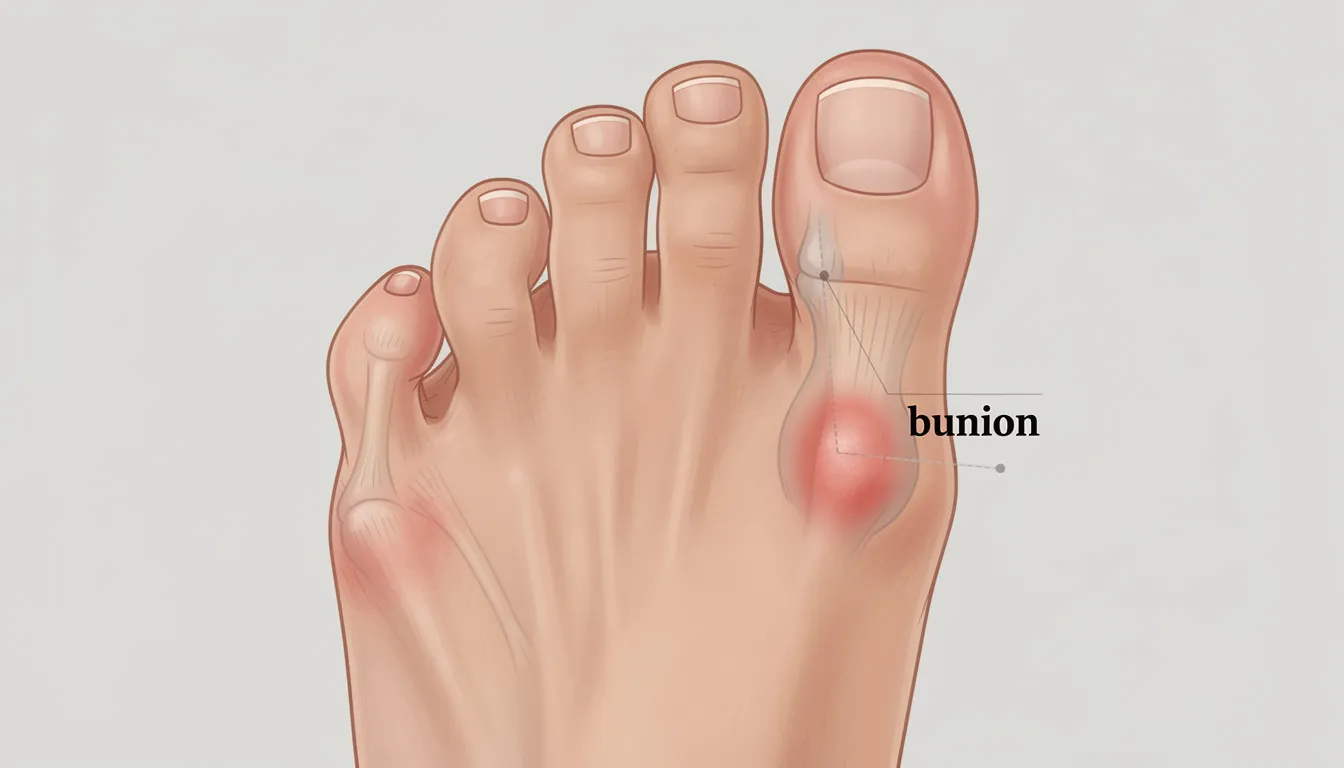
Bunion development involves both genetic predisposition and mechanical factors. While tight shoes don’t cause bunions, they can accelerate their progression and worsen associated symptoms. Flat feet, ligamentous laxity, and certain foot shapes increase the likelihood of developing bunions over time.
Wisconsin Foot & Ankle Clinic offers comprehensive bunion treatment ranging from conservative management to advanced surgical correction. Non-surgical approaches include custom orthotics to improve foot mechanics, bunion sleeves or pads to reduce friction, and footwear guidance. When bunion pain significantly impacts daily activities or sleep quality, Dr. McDonald’s expertise in forefoot reconstruction can provide lasting correction through various surgical techniques tailored to your specific anatomy and lifestyle needs.
Hammertoes and Claw Toes
Hammertoe and claw toe deformities involve abnormal bending of the toe joints, creating cramped positioning that can become particularly uncomfortable during sleep. These deformities often develop gradually due to muscle imbalances, tight footwear, or underlying foot structure problems.
The aching and cramping sensations associated with toe deformities can worsen at night when your toes are confined under bedding or when certain sleeping positions compress the affected joints. Corns and calluses frequently develop on the tops of bent toes where they rub against shoes, and these pressure points can become tender and painful during nighttime hours.
Rigid hammertoes and claw toes can make it difficult to find comfortable sleeping positions, as the deformed joints may catch on bedding or create pressure points when your foot is at rest. Some patients find relief by using toe splints or padding, while others need to modify their sleeping environment to accommodate their toe deformities.
Treatment approaches for toe deformities depend on their flexibility and severity. Mild, flexible deformities often respond well to stretching exercises, toe splints, and custom orthotics that address underlying biomechanical issues. Dr. McDonald can recommend specific padding techniques and footwear modifications to reduce pressure on affected areas. When deformities become rigid or significantly impact function, surgical correction through tendon transfers, joint resection, or fusion procedures can restore more normal toe alignment and eliminate associated pain.
Peripheral Neuropathy
Peripheral neuropathy involves damage to the nerves outside your brain and spinal cord, commonly affecting the toes and feet first. This condition creates various abnormal sensations that frequently intensify at night when external distractions are minimal and your nervous system becomes more sensitive to abnormal signals.
The burning, tingling, or shooting pain characteristic of nerve damage often worsens dramatically during nighttime hours. Many patients describe feeling like their toes are on fire or experiencing electric shock-like sensations that can wake them from sleep. Some people develop such severe hypersensitivity that even the weight of bed sheets becomes unbearable.
Diabetes is the most common cause of peripheral neuropathy in the United States, but other conditions including alcoholism, vitamin deficiencies, chemotherapy, and autoimmune disorders can also damage peripheral nerves. Early detection and management are crucial because neuropathy can lead to loss of protective sensation, increasing the risk of unnoticed injuries and serious complications.

Wisconsin Foot & Ankle Clinic places special emphasis on diabetic foot care and nerve monitoring because these conditions require ongoing professional oversight. Dr. McDonald can coordinate with your primary care doctor to address underlying causes while providing specialized foot care to prevent complications. Treatment may include prescription medications for neuropathic pain, custom orthotics to protect areas with reduced sensation, and regular monitoring to detect problems early.
Ingrown Toenails
Ingrown toenails occur when the edge of a toenail grows into the surrounding skin tissue, creating pain, swelling, and potential infection. While this might seem like a minor problem, ingrown toenails can cause significant discomfort that worsens at night due to bed pressure and natural swelling patterns.
The throbbing pain from an ingrown toenail often intensifies when you’re lying down because blood flow patterns change and any swelling becomes more noticeable. Pressure from bedding or accidentally bumping the affected toe can cause sharp, sudden pain that disrupts sleep.
Signs of infection around an ingrown toenail include increased redness, warmth, drainage, and red streaking extending from the toe. These symptoms require prompt professional attention to prevent more serious complications. Even without obvious infection, persistently painful ingrown toenails should be professionally treated rather than attempted to be resolved at home.
Professional treatment for ingrown toenails is typically straightforward and provides immediate relief. Dr. McDonald can safely remove the ingrown portion of the nail and, when necessary, treat any associated infection. For people who experience recurring ingrown toenails, a minor procedure to prevent regrowth of the problematic nail edge can provide a permanent solution.
Lifestyle Factors Contributing to Nighttime Toe Pain
While medical conditions are often the primary cause of toe pain at night, various lifestyle factors can significantly contribute to the development and worsening of symptoms. Understanding and addressing these modifiable factors is essential for comprehensive treatment and prevention of recurring toe problems. Overuse and repetitive stress can sometimes lead to a stress fracture, which is a small crack in the bone that often causes pain that worsens at night.
Daily habits, footwear choices, activity patterns, and even sleeping positions can all influence how your toes feel at the end of the day. Addressing these lifestyle factors alongside medical treatment often provides the best outcomes for long-term comfort and foot health.
Improper Footwear
Wearing shoes that don’t fit properly or provide adequate support is one of the most common contributors to toe pain that worsens at night. Tight, narrow, or poorly designed footwear can create pressure points, restrict circulation, and force your toes into unnatural positions throughout the day.
High heels and shoes with pointed toe boxes are particularly problematic because they compress the forefoot area and force the toes together. This compression can irritate nerves, worsen existing bunions or hammertoes, and create painful pressure points that become more noticeable when you finally remove your shoes in the evening.
Even athletic shoes can contribute to toe problems if they’re the wrong size, worn out, or don’t provide appropriate arch support for your foot type. Many people wear shoes that are too small, not realizing that feet often swell throughout the day and require additional space for comfortable accommodation.
Guidelines for choosing toe-friendly footwear include ensuring adequate width in the toe box, selecting shoes with low heels (less than two inches), and replacing worn-out shoes before they lose their supportive properties. Custom orthotics can help improve the fit and function of existing shoes while addressing underlying biomechanical issues that contribute to toe pain. Wisconsin Foot & Ankle Clinic can provide specific footwear recommendations based on your individual foot structure and activity needs.
Overuse and High-Impact Activities
Repetitive stress from running, jumping, dancing, or prolonged standing can overload the structures in your toes and feet, leading to inflammation that builds throughout the day and peaks at night. This pattern is particularly common in people who suddenly increase their activity level without allowing adequate time for adaptation.
High-impact activities place significant stress on the forefoot area where your toes connect to the rest of your foot. Over time, this stress can lead to stress fractures, tendinitis, joint inflammation, and nerve irritation – all of which can cause nighttime toe pain. A stress fracture is a small crack in the bone caused by repetitive stress or overuse, and is a common source of increased foot pain at night, especially in athletes. The inflammatory response to tissue damage often follows a delayed pattern, with pain and swelling becoming most prominent hours after the activity ends.
Athletes and active individuals may notice that their toe pain correlates with training intensity or changes in their exercise routine. Weekend warriors who are relatively sedentary during the week but engage in intense activities on weekends are particularly susceptible to overuse injuries affecting the toes and feet.
Proper training progression, adequate recovery time, and appropriate warm-up and cool-down routines can help prevent overuse injuries. When toe pain develops following increased activity, temporary activity modification combined with anti-inflammatory measures often provides relief. If pain persists or recurs frequently, professional evaluation can help identify underlying biomechanical issues that may be contributing to the problem.
Poor Sleep Positioning
How you position your feet and legs during sleep can significantly influence toe comfort throughout the night. Certain sleeping positions can compress nerves, restrict circulation, or place abnormal pressure on already sensitive areas of your toes.
Sleeping on your stomach with your toes pressed against the mattress can create sustained pressure that worsens toe pain, particularly if you have existing deformities or inflammatory conditions. Side sleeping with heavy blankets can compress the toes and create uncomfortable pressure points that disrupt sleep quality.
People with conditions like Morton’s neuroma or peripheral neuropathy may find that even light bed coverings become intolerable against their hypersensitive toes. The weight and texture of bedding can trigger pain signals from already irritated nerves, making comfortable sleep difficult to achieve.
Optimal sleep positioning for toe comfort typically involves keeping your feet in a neutral position without excessive pressure from bedding. Using a bed cradle to keep heavy blankets off your feet, choosing loose-fitting sleepwear, and maintaining proper ankle positioning can all help reduce nighttime toe discomfort. Some people benefit from wearing loose, breathable socks to bed to prevent friction while protecting sensitive areas from direct contact with bedding.
Treatment Options for Nighttime Toe Pain
Effective treatment for toe pain at night depends on accurate diagnosis of the underlying cause combined with a comprehensive approach that addresses both immediate symptoms and long-term management. Wisconsin Foot & Ankle Clinic develops personalized treatment plans that may incorporate conservative therapies, advanced medical interventions, or surgical procedures depending on your specific condition and response to initial treatments. Diagnostic imaging, such as an X-ray, is often used to confirm the underlying cause of toe pain, including fractures or joint degeneration. For conditions like restless legs syndrome, it is important to manage RLS symptoms through a combination of lifestyle changes, medications, and therapies.
The goal of treatment extends beyond simply masking pain symptoms. Dr. McDonald’s approach focuses on addressing the root cause of your toe pain while helping you maintain or return to your desired activity level. This comprehensive strategy often provides more lasting relief than treatments that only target symptoms without addressing underlying problems.
Conservative Treatments
Many causes of nighttime toe pain respond well to conservative treatment approaches, particularly when implemented early in the course of the condition. These non-invasive strategies can provide significant relief while avoiding the risks and recovery time associated with more aggressive interventions.
Rest, ice, compression, and elevation (RICE) form the foundation of acute toe pain management, particularly when inflammation is a primary component of your symptoms. Applying ice for 15-20 minutes at a time can help reduce swelling and numb pain signals, while elevation helps promote drainage of excess fluid from the affected area. An ice pack, wrapped in a cloth, can be applied at regular intervals to provide effective pain relief and prevent skin damage.
Over-the-counter anti-inflammatory medications like ibuprofen or naproxen can help reduce both pain and inflammation when used as directed. These medications are particularly effective for conditions with a strong inflammatory component, such as arthritis, tendinitis, or acute gout attacks. However, it’s important to consult with your healthcare provider before using these medications long-term, especially if you have other medical conditions or take other medications.
Topical pain relief creams and gels can provide localized treatment without the systemic effects of oral medications. These preparations can be particularly helpful for people who cannot tolerate oral anti-inflammatory drugs or who prefer to minimize their medication use.
Gentle stretching and massage techniques can help improve flexibility and reduce tension in the muscles and connective tissues around your toes. Simple exercises like toe curls, marble pickups, and gentle stretching of the plantar fascia can be performed at home and may help reduce nighttime pain symptoms.
Proper taping and padding techniques can protect affected toes from pressure and friction while promoting proper alignment during daily activities. Dr. McDonald can teach you appropriate taping methods for your specific condition and recommend over-the-counter padding products that provide effective relief.
Custom Orthotics and Footwear Solutions
Custom orthotics represent one of the most effective conservative treatment options for many causes of toe pain at night. These devices are specifically designed for your individual foot structure and can address underlying biomechanical problems that contribute to toe discomfort.
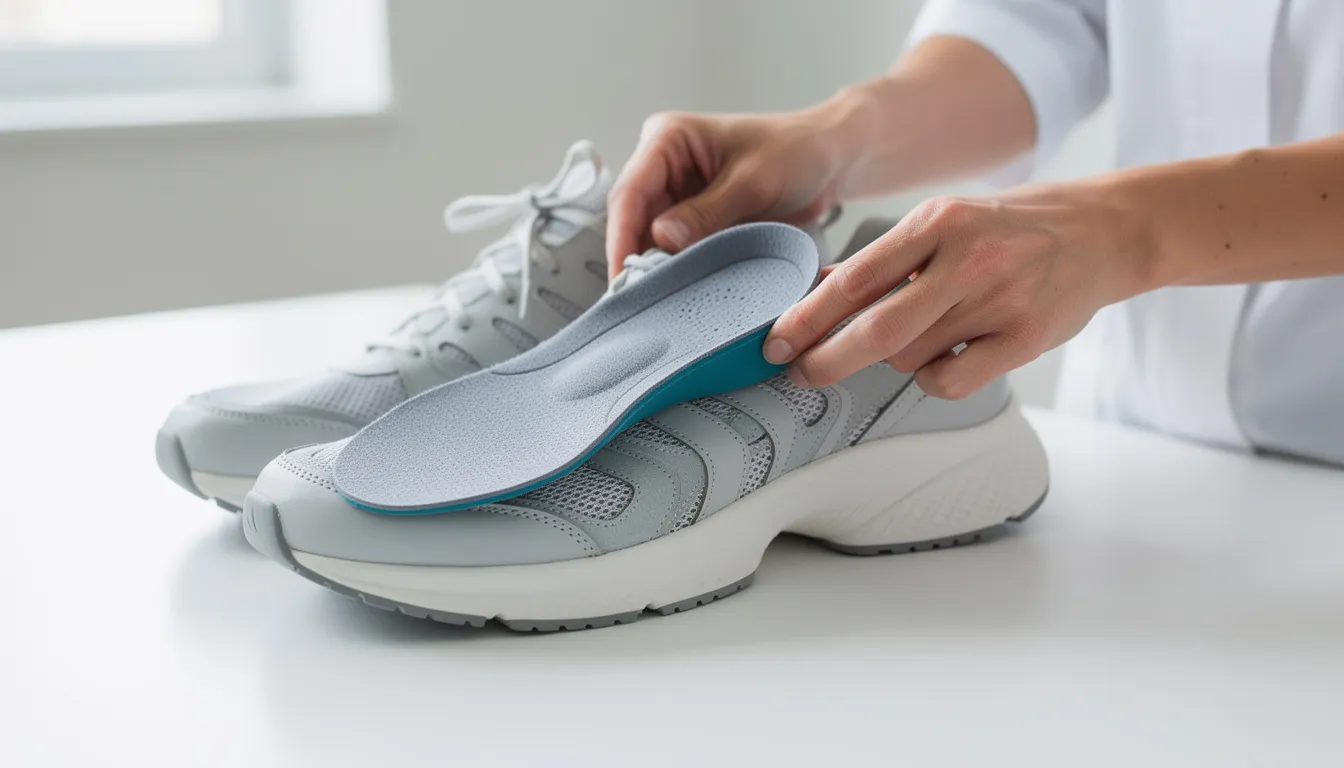
Well-designed orthotics work by redistributing pressure away from painful areas while improving overall foot function and alignment. For conditions like metatarsalgia, Morton’s neuroma, or arthritis, custom orthotics can significantly reduce the forces acting on affected structures throughout the day, leading to decreased inflammation and less nighttime pain.
The process of obtaining custom orthotics at Wisconsin Foot & Ankle Clinic involves detailed assessment of your foot structure, gait patterns, and specific areas of concern. Dr. McDonald’s expertise in biomechanics ensures that your orthotics are designed to address your particular combination of issues while maintaining comfort for daily wear.
Properly fitted, supportive shoes with adequate toe room are essential for managing many toe conditions. Features to look for include a wide toe box that allows your toes to lie flat without crowding, adequate depth to accommodate any deformities or swelling, firm heel counters for stability, and appropriate arch support for your foot type.
Specialty footwear options may be recommended for specific conditions. For example, people with severe arthritis might benefit from rocker-bottom shoes that reduce the motion required at painful joints, while those with nerve problems may need extra-depth shoes with seamless interiors to minimize pressure points.
Dr. McDonald can provide specific recommendations for shoe brands, styles, and features that work best for your particular combination of foot problems and lifestyle requirements. This personalized guidance helps ensure that your footwear investment provides maximum benefit for your toe comfort and overall foot health.
Advanced Treatment Options
When conservative treatments don’t provide adequate relief, several advanced treatment options can address persistent toe pain more aggressively. These interventions are typically considered when simpler approaches have been tried without success or when the severity of symptoms significantly impacts your quality of life.
Corticosteroid injections can provide powerful anti-inflammatory effects directly at the site of inflammation. For conditions like arthritis, Morton’s neuroma, or tendinitis, targeted injections can reduce swelling and pain for several months. Dr. McDonald’s expertise in injection techniques ensures accurate placement for maximum effectiveness while minimizing potential side effects.
Physical therapy plays a valuable role in treating many toe conditions by addressing muscle imbalances, improving flexibility, and teaching exercises that support long-term foot health. A skilled physical therapist can develop a customized program that targets your specific areas of weakness or tightness while gradually building strength and endurance.
Night splints may be recommended for certain conditions like plantar fasciitis that involve tight connective tissues. These devices hold your foot and ankle in a gentle stretch position during sleep, preventing the shortening and stiffening that can occur overnight and lead to morning pain.
When conservative and minimally invasive treatments don’t provide sufficient relief, surgical options may be considered. Dr. McDonald’s fellowship training in advanced foot and ankle procedures means he can offer sophisticated surgical solutions for complex toe problems that haven’t responded to other treatments.
Surgical procedures might include nerve decompression for conditions like tarsal tunnel syndrome, joint fusion or replacement for severe arthritis, bunion correction for structural deformities, or neurectomy for persistent nerve pain. The specific procedure recommended depends on your diagnosis, anatomy, activity level, and personal preferences regarding treatment goals and recovery time.
When to See a Foot and Ankle Specialist
Knowing when to seek professional medical attention for toe pain can make the difference between simple, effective treatment and prolonged suffering or complications. While some toe discomfort may resolve with basic home care, certain symptoms require prompt evaluation to prevent serious problems and ensure optimal outcomes.
Early intervention is particularly important for people with diabetes, circulation problems, or immune system disorders, as these conditions can increase the risk of complications from seemingly minor toe problems. Additionally, persistent pain that interferes with sleep quality deserves professional attention even if it doesn’t seem severe during daytime hours.
Urgent Symptoms Requiring Immediate Care
Several red-flag symptoms associated with toe pain warrant urgent medical attention, sometimes requiring same-day evaluation or emergency care. These symptoms may indicate serious infections, circulation problems, or other conditions that can lead to permanent damage if not treated promptly.
Signs of infection include increased redness that spreads beyond the immediate area of injury, warmth to the touch, visible pus or drainage, red streaking extending up the foot or leg, and fever or chills accompanying local symptoms. These findings can indicate a spreading bacterial infection that requires immediate antibiotic treatment to prevent serious complications.
Severe pain that prevents you from walking or bearing weight on the affected foot may indicate a fracture, dislocation, or severe soft tissue injury requiring immediate evaluation. Similarly, obvious deformity of a toe following injury suggests a possible fracture or dislocation that needs prompt treatment to prevent complications and ensure proper healing.
Loss of sensation or sudden changes in circulation, such as a toe becoming pale, blue, or cold, can indicate nerve damage or blood vessel problems requiring urgent intervention. These symptoms are particularly concerning in people with diabetes or vascular disease, who may be at higher risk for serious complications.
Open wounds, cuts, or ulcers on the toes that won’t heal properly need professional attention, especially in diabetic patients. What might seem like a minor injury can become a serious problem if not properly treated, potentially leading to infection, tissue death, or even amputation in severe cases.
If you experience any of these urgent symptoms, contact Wisconsin Foot & Ankle Clinic immediately or seek emergency medical care if the clinic is not available. Early treatment of serious toe problems can often prevent complications and preserve function.
Persistent Pain That Needs Professional Evaluation
Even when toe pain doesn’t involve urgent red-flag symptoms, persistent discomfort that lasts more than a few days despite appropriate home care warrants professional evaluation. Many toe conditions are progressive, meaning they tend to worsen over time without proper treatment, so early intervention often leads to better outcomes.
Toe pain that regularly interferes with your sleep quality deserves attention regardless of its severity during daytime hours. Poor sleep can affect your overall health, immune function, and quality of life, making it important to address nocturnal foot pain even when it seems manageable during the day.
Recurring episodes of severe toe pain, particularly if they follow a predictable pattern or seem to be triggered by specific activities, may indicate underlying conditions that require ongoing management. Conditions like gout, arthritis, or nerve entrapment often follow characteristic patterns that can be effectively managed with proper diagnosis and treatment.
Progressive worsening of symptoms despite home care efforts suggests that simple measures aren’t addressing the underlying problem. This pattern often indicates the need for more sophisticated evaluation and treatment approaches that are beyond what can be accomplished with over-the-counter remedies and activity modification.
If your toe pain begins to affect your ability to perform daily activities, work responsibilities, or recreational pursuits, professional evaluation can help identify effective solutions. Many toe conditions that significantly impact function can be successfully treated with appropriate interventions, allowing you to return to your desired activity level.
Wisconsin Foot & Ankle Clinic provides comprehensive evaluation for persistent toe pain, using advanced diagnostic techniques to identify the specific cause of your symptoms. Dr. McDonald’s fellowship training ensures that even complex or unusual causes of toe pain are properly diagnosed and effectively treated.
Preventing Nighttime Toe Pain
Prevention of toe pain at night involves adopting daily habits and practices that promote overall foot health while minimizing the risk factors that contribute to toe problems. A proactive approach to foot care can often prevent minor issues from becoming significant problems that disrupt your sleep and daily activities. Recognizing rls symptoms, such as tingling, burning, or involuntary leg movements at night, is important for early intervention and prevention of sleep disruption.
Regular foot and ankle check-ups with a specialist like Dr. McDonald can help identify potential problems early, when they’re most easily treated. This is particularly important for people with diabetes, arthritis, or other conditions that increase their risk of developing foot complications.
Proper Footwear and Foot Hygiene
Selecting appropriate shoes for different activities represents one of the most important steps in preventing toe pain. Guidelines for proper footwear include choosing shoes with adequate width and depth in the toe box, ensuring proper heel fit without slipping, and selecting appropriate support features for your foot type and activity level.
Shoes should be fitted later in the day when your feet are at their largest, and you should replace athletic shoes regularly based on mileage or wear patterns rather than waiting until they’re obviously worn out. Different activities may require different types of supportive shoes, so having appropriate footwear for work, exercise, and casual wear is important.

Daily foot care routines help maintain healthy skin and nails while allowing early detection of potential problems. This includes washing your feet daily with mild soap and warm water, drying thoroughly between the toes, and inspecting your feet for any changes in skin color, texture, or the appearance of new growths or sores.
Proper nail trimming technique involves cutting nails straight across and avoiding cutting too short or rounding the corners, which can predispose to ingrown toenails. If you have difficulty seeing or reaching your feet, or if you have diabetes or circulation problems, professional nail care may be safer than attempting to trim your own nails.
For people with recurring toe problems, custom orthotics may be recommended as a preventive measure even before significant symptoms develop. These devices can help maintain proper foot alignment and pressure distribution, reducing the risk of developing painful conditions over time.
Healthy Lifestyle Practices
Maintaining a healthy weight reduces the pressure and stress placed on your toes and feet during daily activities. Excess weight contributes to the development of many foot problems, including arthritis, plantar fasciitis, and structural deformities that can cause nighttime pain.
Regular exercise helps maintain flexibility, strength, and circulation in your feet and toes. Activities like walking, swimming, and yoga can be particularly beneficial for foot health, as they promote blood flow and maintain range of motion without placing excessive stress on foot structures.
Proper hydration and nutrition support tissue health throughout your body, including the structures in your toes and feet. Adequate water intake helps maintain healthy circulation and may reduce the risk of conditions like gout that can cause severe nighttime toe pain.
When increasing your activity level or starting new exercises, gradual progression helps prevent overuse injuries that can lead to toe pain. This is particularly important for runners and other athletes who may be tempted to increase their training too quickly.
Staying hydrated is especially important for preventing muscle cramps and maintaining healthy circulation. Dehydration can contribute to nighttime cramping and may worsen certain conditions like gout that can cause severe toe pain.
Expert Toe Pain Treatment in Brookfield, Wisconsin
At Wisconsin Foot & Ankle Clinic, we offer expert care for all types of nighttime toe pain, combining Dr. Donald T. McDonald’s advanced fellowship training with a personalized approach focused on your comfort and lasting foot health. Our independent practice enables us to tailor treatment plans specifically to your needs without being limited by institutional guidelines.
Dr. McDonald’s specialized training in complex foot and ankle reconstruction, revision surgeries, trauma care, and ankle replacement equips him to handle both common and rare causes of toe pain at night. This expertise allows for improved outcomes even in challenging cases where prior treatments may have fallen short, using advanced surgical techniques when conservative options are insufficient.
Our patient-centered process starts with a detailed evaluation to pinpoint the exact cause of your discomfort, followed by treatment recommendations grounded in the latest evidence and designed to begin with the least invasive methods suitable for your condition. We prioritize patient education, ensuring you understand your diagnosis and options so you can actively participate in your care decisions.
Services at our clinic range from custom orthotics and non-surgical therapies to cutting-edge surgical interventions and specialized diabetic foot management. This comprehensive care continuum means we can support you from diagnosis through recovery, modifying your treatment as needed based on progress and changing circumstances.
Committed to integrating the newest research and techniques, Dr. McDonald’s background as a former competitive athlete adds valuable insight into how foot and ankle issues impact active lifestyles and the importance of restoring your ability to engage in preferred activities.
If nighttime toe pain is disrupting your sleep, don’t hesitate to reach out to Wisconsin Foot & Ankle Clinic in Brookfield for a thorough assessment. Our mission is to uncover the root cause of your pain and craft an effective plan that helps you return to restful nights and an active, pain-free life.
Conclusion
Most nighttime toe pain comes from conditions like arthritis, gout, Morton’s neuroma, peripheral neuropathy, ingrown toenails, and overuse injuries. Understanding the specific cause of your toe pain is key to finding effective relief. Treatments such as physical therapy, custom orthotics or shoe inserts, steroid injections, and lifestyle adjustments, like wearing supportive shoes, staying hydrated, and avoiding high heels, can significantly reduce symptoms and inflammation.
The same approach often helps other causes of nocturnal foot pain, such as plantar fasciitis or tarsal tunnel syndrome. If you’re experiencing severe or persistent foot pain at night, especially with numbness, tingling, or swelling, consulting a doctor or podiatrist for a personalized treatment plan is essential. By taking proactive steps and seeking professional guidance, you can manage your symptoms, reduce your risk of ongoing pain, and improve your sleep quality and overall well-being. Remember: stay hydrated, choose supportive footwear, and don’t ignore persistent pain, your feet will thank you.


