

What Non-Surgical Care Can and Cannot Do Here’s the honest answer most patients want: non surgical bunion treatment can significantly reduce pain, slow progression, and temporarily improve toe alignment in early, flexible bunions but this positioning is not permanent bone realignment. True correction of the bony deformity requires surgery once the bunion becomes rigid or …


What Non-Surgical Care Can and Cannot Do
Here’s the honest answer most patients want: non surgical bunion treatment can significantly reduce pain, slow progression, and temporarily improve toe alignment in early, flexible bunions but this positioning is not permanent bone realignment. True correction of the bony deformity requires surgery once the bunion becomes rigid or advanced. Non-surgical methods are best understood as ways to manage symptoms, improve comfort and function, and delay progression rather than permanently fix the underlying bone misalignment.
Many patients at Wisconsin Foot & Ankle Clinic do well for years with conservative care alone. If you’re hoping to avoid surgery right now, non-surgical approaches are almost always worth trying first.
What can nonsurgical treatments realistically do for you?
- Provide meaningful bunion pain relief so you can walk and stand comfortably
- Slow the progression of toe drift before it becomes severe
- Keep you active in the activities you enjoy walking, exercising, working on your feet
- Delay or sometimes help you avoid bunion surgery altogether in milder cases
- Improve day to day life by reducing shoe irritation and swelling
The key is starting early and working with a specialist who understands both conservative and surgical options so your treatment plan is built around what’s actually happening in your foot, not a one-size-fits-all approach.
Who Is Most Likely to Improve Without Surgery?
Bunions, medically known as hallux valgus, are structural deformities at the base of the big toe. They develop when the first metatarsal bone gradually shifts outward while the big toe drifts toward the second toe, creating a bony bump on the inside of the foot at the first metatarsophalangeal (MTP) joint.
Bunions are a multifactorial condition influenced by genetics, foot mechanics, ligament laxity, footwear pressure, and inflammatory arthritis such as rheumatoid arthritis. They affect millions worldwide.
Common bunion symptoms include:
- A visible bony bump at the base of the big toe
- Redness, swelling, or tenderness around the big toe joint
- Shoe irritation, especially with narrow or pointed toe shoes
- Stiffness or limited motion in the big toe
- Pain when walking, standing, or wearing certain shoes
- Calluses or corns where the big toe and second toe rub together
Early or flexible bunions still have some mobility at the joint, and the big toe can often be gently moved back toward normal alignment. These cases are most amenable to non-surgical management aimed at symptom relief and slowing progression.
Advanced or rigid bunions become fixed in position, sometimes with the big toe crossing over or under the second toe. In these cases, conservative care focuses on managing pain and function rather than changing alignment.
When Surgery Becomes the Better Option
Surgery remains the only way to truly realign the bones when a bunion has advanced beyond a certain point or causes significant symptoms. Signs that surgery may be necessary include:
- The big toe crossing over or under the second toe
- Severe arthritis in the big toe joint visible on imaging
- Inability to walk without significant pain despite conservative measures
- Rapid worsening of symptoms over weeks
Delaying surgery in these cases may lead to more complex procedures later.
Bunionectomy carries risks such as infection, nerve damage, stiffness, or recurrence. Recurrence risk varies depending on the procedure type, severity of deformity, and adherence to post-operative care. Surgery duration varies with procedure complexity and type, typically ranging from under an hour to several hours. Most bunion surgeries are outpatient procedures using local or regional anesthesia without requiring hospital stays.
Non-Surgical Bunion Relief: At-Home Strategies
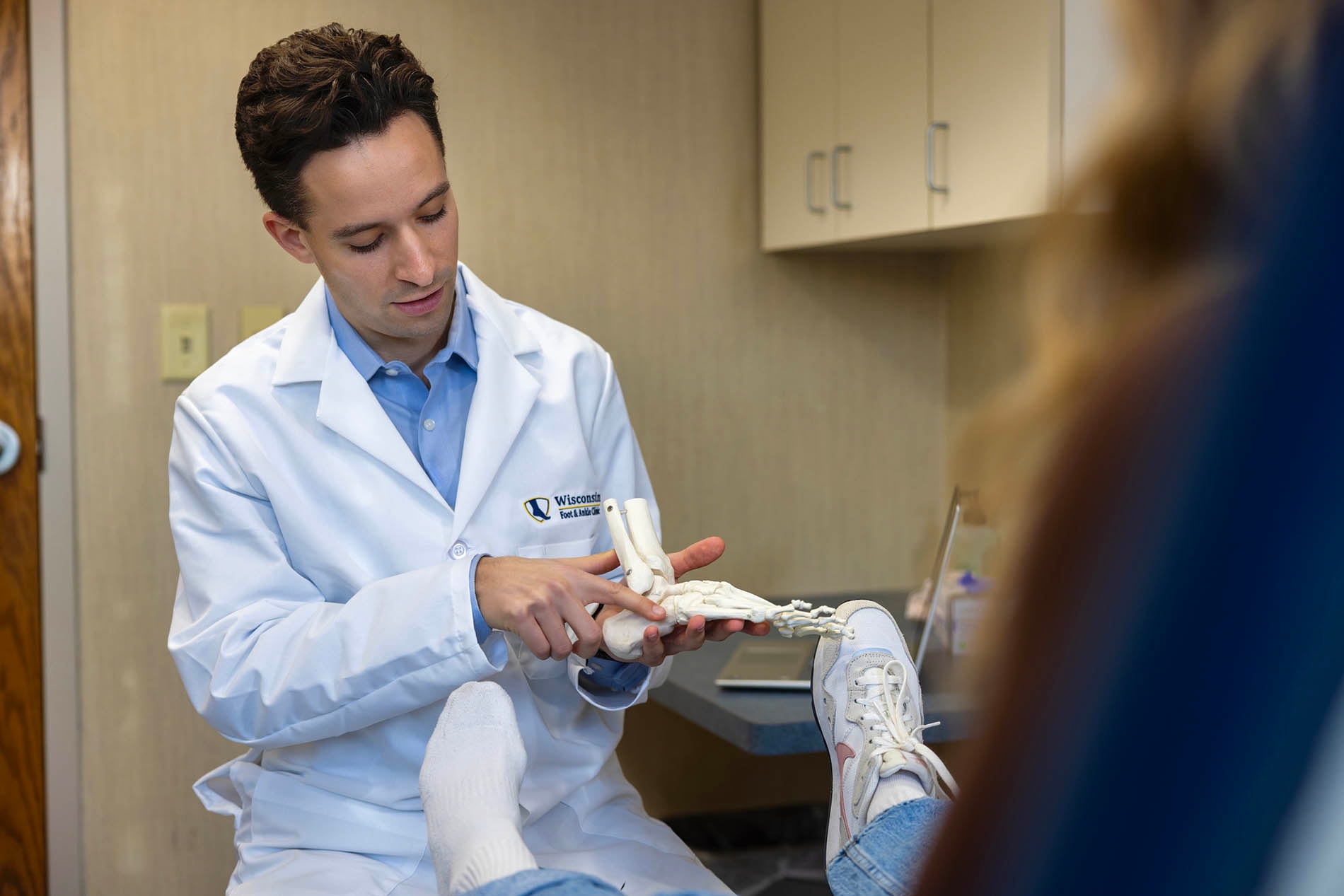
Many patients can begin managing bunion discomfort even before their first office visit. These at-home strategies won’t replace a proper medical evaluation but can provide real relief as part of ongoing care:
- Over-the-counter NSAIDs like ibuprofen or naproxen can reduce inflammation and relieve pain when used short-term. Consult your doctor if you have kidney, heart, or stomach issues before starting any anti-inflammatory medication.
- Ice application works well after activity or when the bunion is inflamed. Apply an ice pack wrapped in a thin towel for 15 minutes to reduce swelling and soreness. For morning stiffness, a short warm soak can help loosen the joint and relax muscles. Avoid applying ice or heat directly to skin.
- Activity modifications help reduce flare-ups. Limit long days on hard surfaces and swap high-impact exercises for lower-impact options like cycling or swimming on painful days.
- Gentle foot exercises maintain flexibility and support muscles around the bunion. Try toe curls using a towel, marble pick-ups, and big-toe stretches holding the toe toward proper alignment for 15–30 seconds.
- Basic foot care such as trimming toenails straight across and managing calluses reduces extra pressure inside shoes.
- Use over-the-counter gel bunion pads or moleskin pads to cushion the bony bump and prevent friction inside shoes.
Dr. McDonald often combines these at-home measures with in-office treatments to provide longer-lasting relief.
Footwear Changes and Simple Devices That Make a Big Difference
The right footwear and devices often provide the most noticeable daily relief:
- Choose shoes with a wide toe box and round or square front to allow toes to spread naturally. Soft, flexible uppers reduce pressure over the bunion.
- Avoid high heels over two inches for regular wear, as they increase forefoot pressure.
- Skip narrow or pointed shoes for daily use; save them for special occasions.
- Look for supportive soles with good arch support; completely flat shoes offer less stability.
- Gel or felt bunion pads cushion the bump and reduce shoe rubbing.
- Toe spacers fit between the big and second toes to reduce crowding and encourage better alignment, best for mild, flexible bunions.
- Bunion splints or night splints worn during sleep hold the big toe straighter and may slow joint stiffening, improving comfort more than bone shape.
- Orthotic shoe inserts, including custom orthotics, support the arch and reduce strain on the bunion area.
Wisconsin Foot & Ankle Clinic can recommend specific brands and styles tailored to your lifestyle and job demands.
Medical Non-Surgical Treatments From a Foot & Ankle Specialist

If at-home strategies and footwear changes aren’t enough, in-clinic treatments provide advanced care tailored to your needs to help fix bunions and alleviate pain effectively:
- Custom orthotics are prescription-grade inserts designed for your foot shape and biomechanics. They redistribute pressure, support the arch, and stabilize the first ray to slow bunion progression, especially valuable for flat feet or midfoot instability. These orthotics play a key role in how bunions are treated conservatively.
- Prescription-strength anti-inflammatory medications or topical gels may be recommended when over-the-counter options don’t suffice to alleviate pain.
- Padding and taping techniques applied in clinic offload the bunion and improve toe alignment during walking, which can help prevent further deformity as hallux valgus develops.
- Physical therapy referrals focus on calf flexibility, intrinsic foot strength, and gait training to reduce stress on the big toe joint, supporting the recovery process and improving function.
- Bracing or specialized footwear like stiff-soled or rocker-bottom shoes may be advised for arthritis or joint stiffness.
- Corticosteroid injections can help manage acute joint pain flare-ups but are not first-line treatments for bunion correction. Evidence for newer regenerative injections is limited and these are used selectively for joint pain relief rather than structural correction.
When non-surgical methods are insufficient, your foot and ankle specialist may recommend surgery as the definitive way to fix bunions. However, these other treatments often help delay or sometimes avoid the need to recommend surgery.
Dr. McDonald’s fellowship training in advanced reconstruction informs his conservative approach, helping patients understand when surgery is necessary and what the recovery process entails.
Lifestyle and Preventative Measures to Manage and Prevent Bunions
Beyond direct treatments, lifestyle changes can play a vital role in managing bunion symptoms and preventing worsening:
- Maintain a healthy weight to reduce excess pressure on your feet. Excess weight increases stress on the big toe joint and can accelerate bunion progression, making it harder to treat bunion pain effectively.
- Avoid wearing narrow shoes, pointed toe shoes, or high heels regularly, which squeeze the toes and worsen bunion deformities. Instead, choose comfortable shoes with deep toe boxes and supportive soles that help your feet properly support your body and reduce foot pain.
- Incorporate foot-strengthening exercises into your daily routine to maintain foot mobility and support. Exercises like toe curls, marble pick-ups, and towel scrunches help strengthen the muscles that stabilize the toes and can aid in how to treat bunions conservatively.
- Use bunion pads or moleskin cushions to protect the bunion from shoe friction and reduce pain during daily activities.
- Take breaks from prolonged standing or walking on hard surfaces to avoid aggravating bunion pain.
- Consider orthotic shoe inserts or custom orthotics early, especially if you have flat feet or abnormal foot mechanics that contribute to bunion development or if you have rheumatoid arthritis, which can complicate bunion symptoms.
- Pay attention to early bunion symptoms and seek professional advice promptly to start conservative treatments before deformity progresses. This is particularly important in moderate bunions, where timely intervention can prevent severe cases.
When to Seek Medical Attention
Certain symptoms warrant prompt evaluation by a foot and ankle specialist:
- Sudden redness, warmth, or swelling around the bunion, which could indicate infection or gout rather than just bunion inflammation.
- Open sores or wounds over the bunion that do not heal.
- Rapid worsening of pain or sudden difficulty walking.
- Signs of severe arthritis or joint damage on imaging.
- Persistent pain despite conservative treatments.
Early diagnosis and treatment help ensure bunions are treated effectively and prevent complications, improving outcomes.
What to Expect During Your Visit to Wisconsin Foot & Ankle Clinic
Your initial appointment will typically include:
- A detailed history discussing your symptoms, footwear habits, activity level, and treatment goals.
- A thorough physical exam assessing bunion severity, joint flexibility, and related foot problems.
- Weightbearing X-rays to evaluate bone alignment and joint condition.
- Personalized footwear and orthotic recommendations suited to your lifestyle and job demands.
- A tailored treatment plan with follow-up options to monitor progress and adjust care as needed.
Most insurance plans cover evaluation and treatment for bunion pain, although coverage for custom orthotics may vary.
Conclusion: Managing Bunions Without Surgery
While surgery is the only way to permanently correct the bony deformity of a bunion, many people can successfully manage their symptoms and maintain function with non-surgical treatments. Early intervention with conservative care, lifestyle modifications, footwear changes, and professional guidance can provide meaningful bunion pain relief, slow progression, and improve quality of life.
If you’re experiencing bunion symptoms, don’t wait until the condition worsens. Contact Wisconsin Foot & Ankle Clinic for a comprehensive evaluation and personalized treatment plan designed to keep you active and comfortable without surgery whenever possible.
Schedule a visit to get a clear diagnosis and a treatment plan built around your feet and your life.
This article is for educational purposes only and does not replace evaluation and care from a qualified medical professional. If you’re experiencing severe pain, signs of infection, symptoms of early stage diabetic foot ulcers, or sudden changes in your ability to walk, contact your healthcare provider or seek prompt medical attention.


