

If you are dealing with heel pain, it can be difficult to figure out what is actually causing it. Many patients come in worried about heel bursitis or plantar fasciitis because both can make walking, standing, and daily movement uncomfortable. That pain can affect your work, exercise routine, and even simple tasks like getting out …


If you are dealing with heel pain, it can be difficult to figure out what is actually causing it. Many patients come in worried about heel bursitis or plantar fasciitis because both can make walking, standing, and daily movement uncomfortable. That pain can affect your work, exercise routine, and even simple tasks like getting out of bed. In many cases, pain at the back of the heel is actually caused by heel bursitis, even when it is mistaken for plantar fasciitis.
The challenge is that these two conditions can feel similar at first, but they come from different structures in the foot. The location and behavior of the pain are often the biggest clues. Understanding the difference helps guide the right heel bursitis treatment and avoids delays in care. Early clarity also helps reduce the risk of worsening inflammation over time.
Understanding Heel Bursitis and Plantar Fasciitis
Heel bursitis occurs when a small fluid filled sac, called a bursa, becomes irritated and inflamed. This sac helps reduce friction between structures like the heel bone and the Achilles tendon. When the inflamed bursa is under stress, it can lead to pain, swelling, and tenderness. This condition is commonly linked to repetitive motion or pressure at the back of the heel.
The most common type is retrocalcaneal bursitis, involving the retrocalcaneal bursa between the Achilles tendon and heel bone. Another form, subcutaneous calcaneal bursitis, affects the area closer to the skin at the back of the heel. These variations can feel slightly different depending on how deep the irritation is. Identifying the exact location helps guide proper care and treatment decisions.
Plantar fasciitis, on the other hand, involves inflammation of the tissue along the bottom of the foot. This tissue supports the arch and absorbs stress during walking. Pain is usually felt under the heel rather than behind it. This difference in location is one of the most reliable ways to distinguish between the two conditions.
What Causes Heel Bursitis and Plantar Fasciitis
There are several causes of heel bursitis, and most relate to repeated stress or pressure on the heel. Heel bursitis can result from repetitive activity or overuse, especially in sports that involve running or jumping. These movements place repeated strain on the back of the heel and can irritate the bursa over time. A sudden increase in activity without proper conditioning can also overload the area and lead to inflammation.
Footwear plays a major role, particularly tight fitting shoes or those with poor support. Shoes that press against the heel can increase friction and worsen irritation. Structural issues like flat feet, tight calf muscles, or changes in walking mechanics can also contribute. Inflammatory conditions such as rheumatoid arthritis or ankylosing spondylitis may also increase the risk.
Plantar fasciitis is typically caused by strain along the bottom of the foot. This can result from prolonged standing, increased activity, or lack of proper arch support. Poor movement patterns and limited flexibility can increase stress on the plantar fascia. Addressing these factors is important for both recovery and prevention.
Symptoms and Warning Signs

The symptoms of heel bursitis often develop gradually and become more noticeable with activity. Patients commonly report pain and swelling at the back of the heel, along with tenderness when the area is touched. Wearing shoes can become uncomfortable, especially if they rub against the irritated area. Pressure on the heel often makes symptoms worse.
In retrocalcaneal bursitis, pain is felt deeper near the Achilles tendon. With subcutaneous bursitis, discomfort is closer to the surface and more sensitive to direct contact. Many patients experience increased pain during walking or after physical activity. These symptoms can interfere with normal movement and daily routines.
Plantar fasciitis typically causes pain under the heel rather than behind it. The pain is often sharp with the first steps in the morning and may improve slightly with movement. However, it often returns after long periods of standing or walking. Recognizing these differences helps guide proper treatment.
How It Is Diagnosed
Diagnosis begins with a detailed exam by a healthcare provider who understands foot and ankle conditions. The location of pain, movement patterns, and physical findings help determine the cause. We assess how the foot and ankle move and whether certain motions reproduce symptoms. At Wisconsin Foot & Ankle Clinic, this hands-on evaluation is a key part of identifying the source of heel pain.
In some cases, imaging tests such as X-rays or ultrasound are used to confirm inflammation or rule out other conditions. These tools can help visualize the bursa near the heel and identify structural concerns. An accurate diagnosis ensures the correct condition is being treated. This step helps avoid unnecessary or ineffective care.
Treatment Options
Conservative Treatment
Most cases of heel bursitis treated early respond well to conservative treatment. The goal is to reduce inflammation, allow healing, and ease pain. Resting the foot and avoiding high-impact activity for a few weeks is often recommended. This gives the irritated bursa time to recover properly.
Applying ice packs for 15 to 20 minutes several times a day can help reduce swelling and discomfort. Nonsteroidal anti inflammatory drugs or other pain medication may be used to manage symptoms. Wearing supportive shoes or switching to flat shoes with proper cushioning can make a noticeable difference. Simple footwear adjustments often play a major role in recovery.
Physical Therapy and Advanced Care
Targeted physical therapy can help stretch the Achilles tendon and strengthen surrounding muscles. These exercises improve flexibility and reduce stress on the heel. Over time, this supports better movement and lowers the risk of symptoms returning. Consistent therapy is often a key part of long-term recovery.
If symptoms continue, additional treatment options may be considered. These include steroid injections or ultrasound guided injections to reduce inflammation in the bursa. In rare cases, surgery may be discussed if symptoms do not improve with conservative care. However, most patients improve without needing invasive treatment.
When To See a Foot and Ankle Doctor
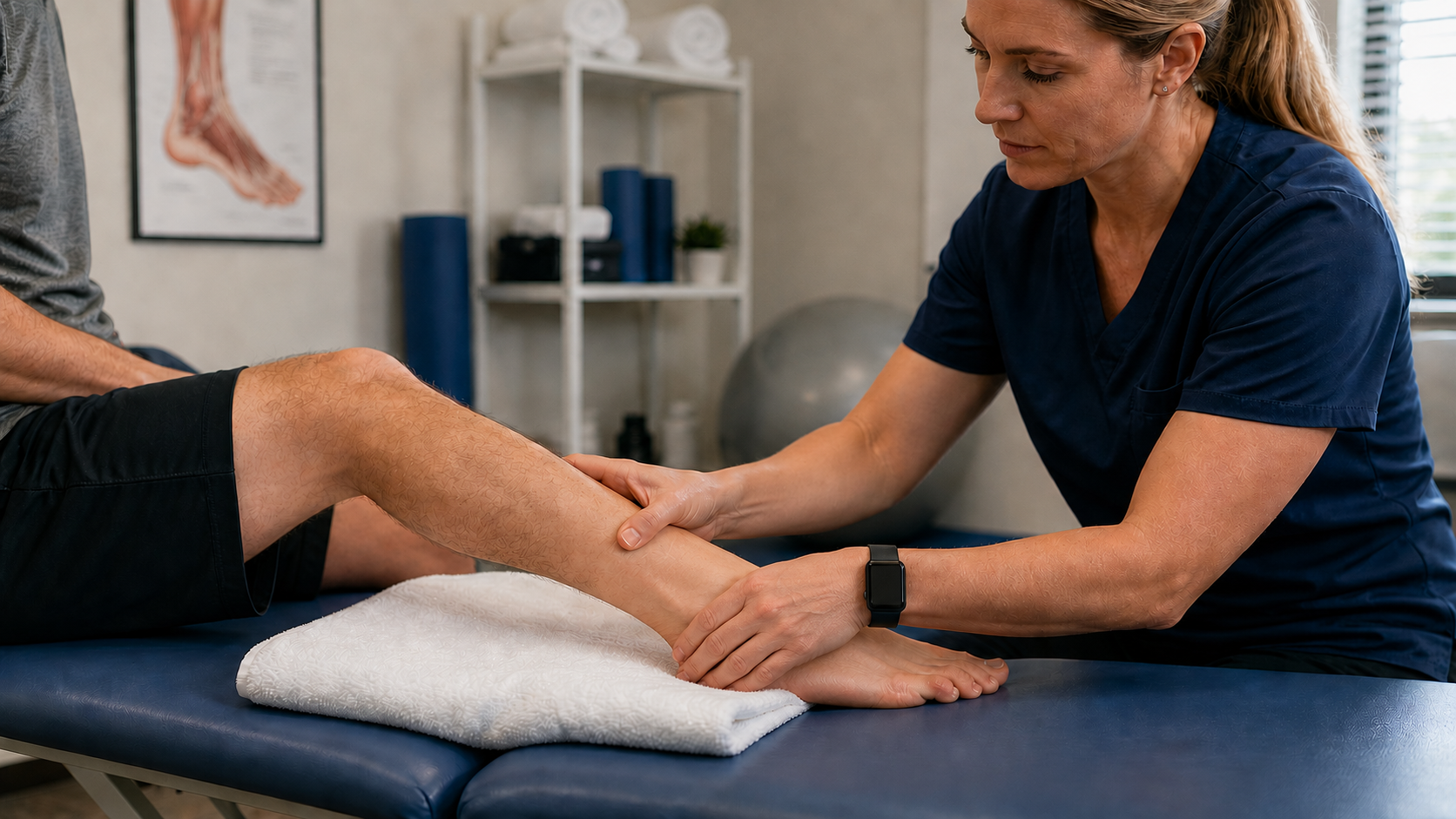
It is important to seek care if symptoms are not improving with rest and home treatment. Persistent pain that affects walking or daily activity should not be ignored. Ongoing foot or ankle pain or visible swelling may indicate a more serious issue. Early evaluation helps prevent long-term complications.
If symptoms continue to worsen or limit your mobility, it is time to see a specialist at Wisconsin Foot & Ankle Clinic. A proper evaluation allows for a personalized treatment plan tailored to your needs. This approach focuses on treating the underlying cause rather than just managing symptoms. Getting care early often leads to faster recovery and better outcomes.
Conclusion
Both heel bursitis and plantar fasciitis can cause significant discomfort, but they require different approaches to care. If your pain is located at the back of the heel, heel bursitis may be the more likely cause and should be evaluated properly. Identifying the correct source of pain is the first step toward effective treatment. With the right approach, most patients improve without invasive procedures.
With proper treatment, you can return to normal activity with less pain and better function. Addressing symptoms early helps protect your long-term foot health. If your heel pain is not improving, a professional evaluation is the next best step. Taking action now can help you move forward with confidence and comfort.


