

If you are searching for how to stop foot pain from standing all day, you probably want two things. You want relief you can use today, and you want to know if something more serious is going on. To stop foot pain from standing all day, take regular micro-breaks to rest your feet, wear supportive …


If you are searching for how to stop foot pain from standing all day, you probably want two things. You want relief you can use today, and you want to know if something more serious is going on.
To stop foot pain from standing all day, take regular micro-breaks to rest your feet, wear supportive shoes with proper arch support and cushioning, perform gentle stretches for your calves and feet, and use ice or elevation to reduce soreness. If pain persists or worsens, seek professional evaluation to identify underlying causes and get targeted treatment.
This guide is educational and does not replace a medical evaluation. If you have severe foot pain, signs of infection, or you cannot bear body weight on your foot, contact a medical professional right away.
Why Standing All Day Makes Your Feet Hurt
Prolonged standing loads the bones, ligaments, and soft tissue in your feet for long hours with limited recovery time. Over time, that stress can irritate the plantar fascia, overload the calf muscles and achilles tendon, and strain the small stabilizers that support healthy feet.
Foot Pain From Standing Can Build Slowly
Many cases of foot pain from standing start as mild soreness and turn into more persistent aching feet without you noticing the shift. Many work-related foot problems develop gradually and worsen over time without intervention, especially if you stand in the same position for long periods.
When To Treat This As Urgent
Seek urgent care if you have an open wound, fever, pus, or spreading redness. Signs of infection require immediate professional evaluation. Also get help quickly if you have sudden inability to walk, new deformity, or an injury with swelling and bruising, because you could have foot fractures or an ankle fracture.
Red Flags That Mean “Do Not Wait”
Call a podiatrist if you have intense pain that is severe or worsening and does not improve with basic self-care. Numbness or tingling, changes in skin color or temperature, or poor circulation symptoms deserve prompt evaluation, especially if you have diabetes or vascular disease.
Quick Relief You Can Do Today
Relief usually comes from reducing irritation, improving movement, and lowering pressure points. The goal is to ease pain, reduce swelling, and protect your foot health until the tissue calms down. Try the steps below for foot and ankle pain after work, and pay attention to which ones actually change your symptoms.
Take Micro-Breaks Every Hour
Taking breaks every hour to sit for at least 5 minutes can relieve pressure from standing. Even short breaks can reduce stress on the arch and heel. If your job allows it, alternate between sitting tasks and standing tasks so your feet are not stuck in the same load pattern all day.
Elevate And Ice To Calm Soreness
Elevating your feet can help alleviate foot pain, especially when swelling is part of the problem. Using ice therapy can provide relief for sore feet. When rolling a frozen water bottle under the arch, limit the time to 10 to 15 minutes and protect your skin with a cloth barrier.
Roll The Arch With Cold Or Gentle Pressure
Rolling a frozen water bottle or tennis ball under the arch for 15 to 20 minutes may help relax muscles and soreness and provide gentle massage and icing. Use gentle pressure and stop if it increases pain.
Use Warm Water Or Epsom Salt After Long Shifts
A soak in warm water can help relax sore muscles and reduce tightness after standing all day. Epsom salt soaks may help relax muscles and soreness for some people, but evidence is limited. Keep the water warm, not hot, and limit the soak to about 10 to 15 minutes.
During-Shift Strategies: Fix The Standing In One Spot Problem And Improve Blood Flow
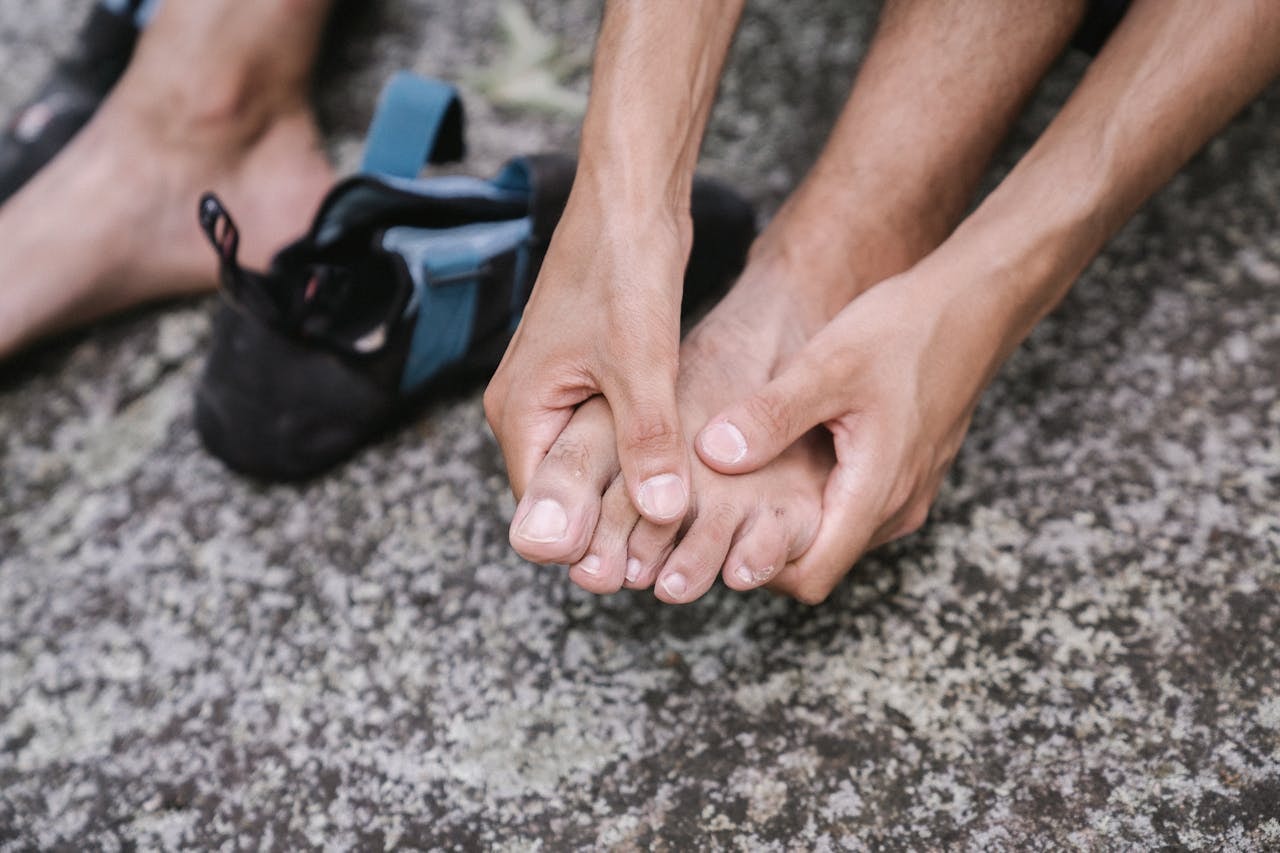
If you stand at a counter or workstation, the floor beneath you matters. Using anti-fatigue mats can help reduce discomfort while standing in one spot. Switching up your standing surfaces can also help. Moving from concrete to a mat, then to a different surface during breaks can change pressure patterns and reduce localized pain.
Standing still can limit blood flow, especially in the lower legs. That can contribute to heaviness, throbbing, and tight muscles by the end of the day. Try slow calf pumps and short walks to improve circulation. Many people also wear compression socks to improve circulation and reduce discomfort during long shifts.
Simple Stretches That Often Help
Stretching is one of the most reliable ways to relieve foot pain from standing because tight calves and a stiff ankle change how your foot loads the ground. Stretching should be done gently and without causing pain. You are aiming to reduce muscle tension, not force a stretch.
Standing Lunge Calf Stretch
The standing lunge calf stretch helps loosen tight calf muscles, improve circulation, and relieve discomfort. Keep your heel down, bend the front knee, and hold the stretch while breathing slowly. Do both sides, even if your left foot hurts more than the right.
Toe Flexor And Plantar Fascia Stretch
Calf stretching and toe flexor stretching can relieve pressure on the feet before and after work. If you have arch pain or heel pain, this is often a key piece. Consistent heel pain, especially with first steps out of bed, should not be ignored and may point toward plantar fasciitis.
Ankle Circles For Mobility
Ankle circles help ankle mobility and strengthen muscles around the ankle joint. Slow circles also help you notice stiffness or pain that may suggest an ankle sprain, tendon irritation, or other overuse injuries.
Strength Moves That Protect Your Feet Over Time
Pain relief is easier when your foot muscles can share the workload. Exercises like towel curls with toes or lifting heels can build foot strength. Heel raises strengthen your calf muscles and your ankles. Start with a small range, and avoid pushing into sharp pain.
Shoes Are Often The Make Or Break Factor
Ill-fitting shoes can exacerbate existing foot conditions and lead to new problems. Pressure points can signal that footwear is ill-fitting or places excessive pressure in specific areas. Worn-out footwear can lose its support and contribute to pain. Replacing worn-out shoes regularly is important, because cushioning and stability break down over time.
What To Look For In Supportive Shoes
Choose supportive shoes with proper arch support, cushioning, and a wide toe box. This helps reduce compression on the toes and limits strain through the arch. Avoid high heels for long shifts when possible, because they increase forefoot pressure and can worsen bunions, metatarsalgia, and ankle pain.
Do Not Wear The Same Pair Every Day
Avoiding wearing the same pair of shoes every day allows the cushioning to recover. Rotation also reduces the chance you keep repeating the same pressure pattern. If your work requires specific shoes, consider rotating two similar pairs so you still get recovery time in the midsole.
Examples Patients Often Ask About
Patients often ask about brands like HOKA Bondi and Brooks Ghost for cushioning and support. However, not every shoe fits every foot, so fit and support matter more than brand. Trying shoes later in the day when feet are swollen can help find the best fit.
Orthotics And Arch Support Options
Over-the-counter inserts can provide extra support for many people, especially if you have mild flat feet or fatigue-related achy feet. Over-the-counter or custom orthotics can relieve pressure on the feet. If you keep trying inserts and nothing changes, a clinic visit can help you decide whether a custom device is appropriate.
Why The Location Of Pain Matters: A Symptom Guide
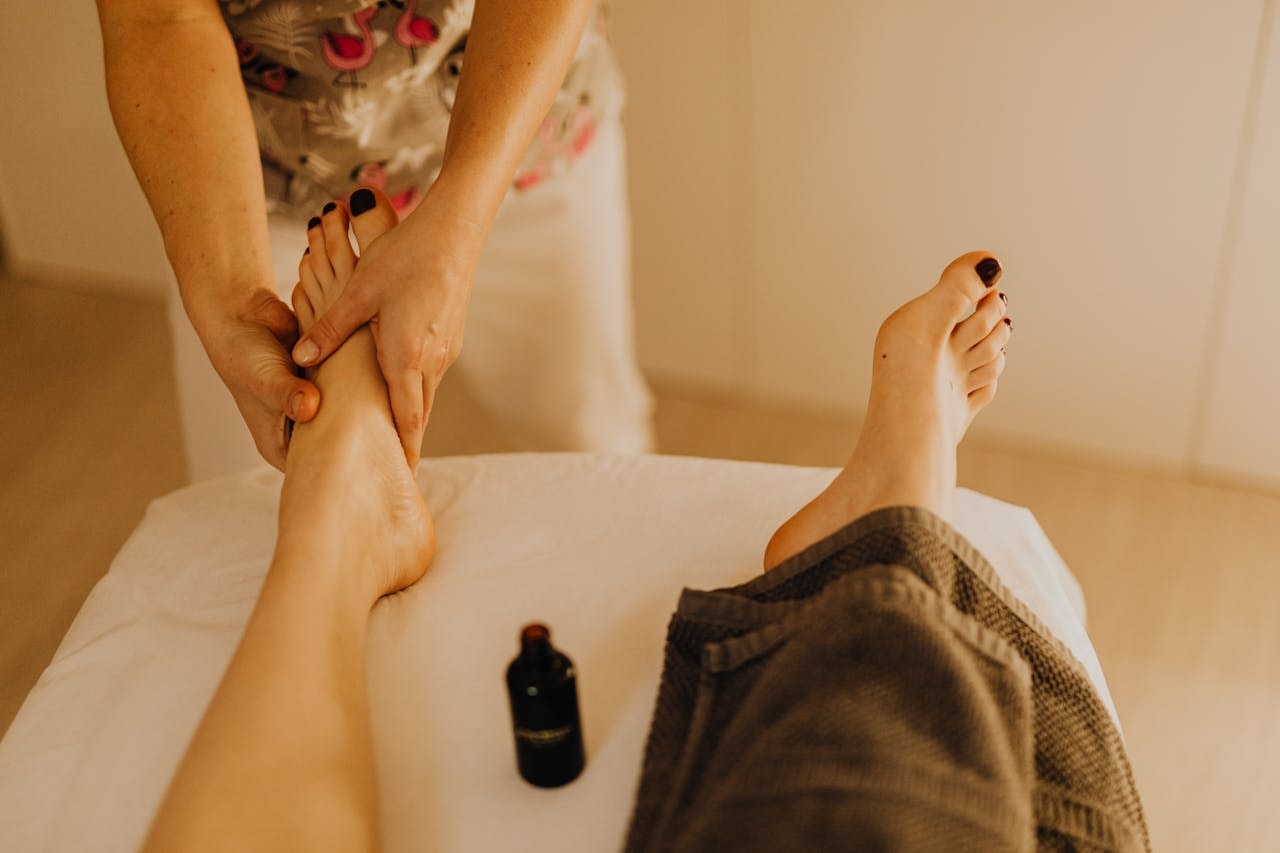
Where your foot hurts can help identify the likely cause of pain from standing all day:
- Heel pain, especially with first steps in the morning, often points to plantar fasciitis.
- Arch fatigue or soreness can indicate overuse or strain of the plantar fascia or foot muscles.
- Burning or pain in the ball of the foot (forefoot) can relate to nerve irritation, metatarsalgia, or footwear issues.
- Achilles soreness may result from tight calf muscles or tendon irritation.
- Ankle stiffness or pain can signal sprains, arthritis, or overuse injuries.
- Bunion-related pressure or stiffness may cause localized pain and discomfort, often worsened by tight or narrow shoes.
- Stiff, achy joint pain that worsens after standing may indicate arthritis.
- Numbness or tingling may suggest nerve compression or circulation problems.
These patterns often overlap and can vary by individual, so a proper diagnosis is important to guide treatment.
Common Causes A Foot Doctor Looks For
Foot pain can result from a variety of causes, including injuries, medical conditions, and poor footwear choices. Standing for long periods puts significant pressure on your feet.
Conditions such as arthritis, flat feet, bunions, sprains, nerve compressions, and tendon irritations do not just go away, and they do not appear out of nowhere. Early diagnosis and treatment are key to preventing worsening symptoms.
What Not To Do: Avoid Common Mistakes
Avoid stretching into sharp pain, as forcing stretches can worsen injuries. Do not ignore numbness, skin changes, or persistent pain, as these can be signs of serious problems. Also, avoid continuing to wear worn-out or ill-fitting shoes, which can exacerbate foot pain and lead to further injury.
How Wisconsin Foot And Ankle Clinic Can Help
At Wisconsin Foot & Ankle Clinic in Brookfield, care starts with listening to your story and examining how you stand and move. The goal is to connect your symptoms to the true driver of pain from standing.
Dr. Donald T. McDonald is a fellowship-trained foot and ankle surgeon with advanced training in reconstruction, trauma, revision surgery, and ankle replacement. That background helps when the problem is complex, but the approach stays grounded and focused on practical function.
What A Treatment Plan May Include
Many patients improve with conservative care like activity adjustments, bracing, targeted stretching exercises, and arch support. A plan may also include imaging when needed, injections in select cases, physical therapy referrals, gait and footwear coaching, and targeted strengthening exercises.
If you need more support, the clinic can discuss custom orthotics, sports injury guidance, arthritis management, and surgical options when appropriate. For people recovering after procedures or injuries, coordination with physical therapy can be part of the full recovery picture.
When To See A Foot Doctor For Persistent Pain
Consulting a healthcare professional is advisable if pain persists, to rule out conditions like plantar fasciitis. If you have foot pain that will not go away no matter what you do, it is time to call your healthcare provider.
Contact your podiatrist if you experience persistent pain that does not improve with basic home care and first aid. Swelling, redness, or warmth can signal the need for professional help, and inability to bear weight should be evaluated promptly.
A Simple Way To Track What Is Working
Pick two to three changes for one week, such as better shoes, hourly breaks, and a stretch routine. Write down your symptoms at the start and end of each shift.
This helps you see work and intervention effectiveness, and it gives your clinician better clues about what is driving your symptoms, whether it is the arch, heel, forefoot, or the ankle.
Next Step If You Are In The Brookfield Area
If you are experiencing foot pain from standing at work, a clear diagnosis can speed up relief and reduce the risk of long-term problems. If you are near Brookfield or the greater Milwaukee area, Wisconsin Foot & Ankle Clinic can help you figure out why your feet hurt and what will realistically reduce foot pain in your situation.
For persistent or worsening symptoms, schedule a visit at Wisconsin Foot & Ankle Clinic to get a focused exam and a treatment plan that fits your body, your job, and your goals.


