

If you are dealing with running sore calves, you are not alone. Calf soreness after running is common in both new and experienced runners, and it can make walking, stairs, work, and your next workout harder than they should be. Sometimes sore calves are just part of a tough training week. In other cases, they …


If you are dealing with running sore calves, you are not alone. Calf soreness after running is common in both new and experienced runners, and it can make walking, stairs, work, and your next workout harder than they should be.
Sometimes sore calves are just part of a tough training week. In other cases, they are a sign that something in your foot, ankle joint, Achilles tendon, running form, or training load needs professional attention.
At Wisconsin Foot & Ankle Clinic, we take a comprehensive approach to your stride. That includes evaluating the foot, ankle joint, lower leg, calf muscles, and how your body handles impact with every step.
What Running Sore Calves Can Mean
Running puts repeated load through the gastrocnemius and soleus, the two main calf muscles. The soleus lies underneath the gastrocnemius, and both help control push-off, absorb force, and support the Achilles tendon.
When these tissues are overloaded, you may feel calf tightness, calf soreness, calf muscle pain, or even sharp pain. This can result from muscle fatigue, small muscle strains, delayed onset muscle soreness, or a more specific injury such as a calf muscle strain or Achilles tendonitis.
In many runners, the pain is multifactorial. Tight muscles, weak ankle muscles, poor shoe support, and rapid changes in mileage or intensity can all contribute to calf discomfort.
Normal Soreness vs. A Problem That Needs Attention
Mild muscle soreness usually appears after a harder run, speed session, hill workout, or return to training. It often feels like general stiffness or soreness in both calves and tends to improve with gentle movement. More concerning symptoms tend to be unilateral, intense, or focal. Severe calf pain, sudden pain, swelling, bruising, or pain that alters your gait warrants professional evaluation.
Pain that begins during a run and progressively worsens may indicate overload, a calf strain, or stress on the Achilles tendon. Pain that persists at rest or wakes you from sleep is less likely to be simple muscle soreness.
Common Causes of Running Sore Calves
Overtraining and Rapid Load Increases
One of the most frequent causes of calf pain in runners is increasing weekly mileage or intensity too quickly. Pushing the calf muscles beyond their current capacity can lead to muscle fatigue, soreness, or overuse injuries.
This often occurs when adding hills, speed work, or extra training days without sufficient rest. Inadequate recovery between sessions can transform manageable workloads into calf injuries. A conservative approach is recommended: increase weekly mileage gradually, typically by no more than 10%, allowing muscles time to adapt and reduce injury risk.
Tight Calf Muscles and Poor Flexibility
Tight calf muscles significantly contribute to soreness. Weak or inflexible calves are less resilient to repetitive impact and fatigue more quickly, increasing stress on surrounding structures. When calves remain tight, the Achilles tendon frequently bears additional load. The Achilles connects calf muscles to the heel and is critical in controlling force through the ankle joint during running.
Effective treatment addresses both the gastrocnemius and soleus muscles, as focusing on only one may not provide sufficient relief.
Running Form and Biomechanics
Poor running form can overload the calf muscles. A heavy forefoot strike increases stress on both the calves and Achilles tendon, especially if the body is unprepared for this load. Additionally, underactive gluteal and hamstring muscles can cause the calves to compensate excessively, leading to overuse and soreness.
Foot and ankle mechanics also influence calf workload. Weakness or instability in these areas can alter gait patterns, leading to issues such as ankle pain when walking and causing the calves to bear undue stress.
Foot and Ankle Weakness and Flat Feet
Inadequate strength or control in the foot and ankle affects how force is absorbed and distributed during running, often increasing calf strain. Flat feet can cause the arch to collapse excessively, requiring the calves to work harder to stabilize the foot and ankle. However, not all runners with flat feet experience pain; individual biomechanics and strength play key roles.
Instability or excessive motion at the ankle joint can similarly increase calf workload and sports injury risk.
Footwear and Running Surfaces
Running shoes lacking proper support or cushioning can increase calf strain. Worn-out shoes may force calves to work harder to stabilize the body. Selecting appropriate running shoes tailored to your foot type and mechanics can reduce unnecessary calf stress. Training on hard surfaces such as asphalt or concrete also increases impact forces on the lower leg, contributing to calf pain, especially when training volume increases rapidly.
Hydration, Electrolytes, and Muscle Cramping
Dehydration and electrolyte imbalances can cause muscle cramps, particularly in the calves, contributing to soreness and fatigue. Maintaining adequate hydration and balanced electrolytes supports muscle function and healthy blood flow. This is especially important during heavy sweating, increased mileage, or warm-weather training. A diet rich in protein, magnesium, and potassium further supports muscle recovery.
Calf Strain and Muscle Tears
More severe calf pain may indicate a muscle strain or tear, where muscle fibers are overstretched or partially ruptured. Runners often report a sudden pulling sensation, a popping feeling, or sharp pain in the lower leg during activities such as sprinting, hill running, or sudden pace changes. Unlike general delayed onset muscle soreness, a true strain is usually localized and limits activities like push-off, stair climbing, or single-leg calf raises.
Achilles Tendon Involvement
Calf pain often overlaps with Achilles tendon issues. Tight or fatigued calves can increase stress on the Achilles tendon, which may develop tendinitis. Symptoms such as morning stiffness, pain during push-off, or soreness above the heel warrant evaluation for tendon overload. Targeted Achilles tendonitis stretches and strengthening exercises often play a key role in recovery. Early diagnosis and treatment are essential to prevent progression to chronic conditions.
Referred Pain and Other Considerations
Not all calf pain originates in the calf muscles. Tight muscles elsewhere, nerve irritation, or altered foot and ankle mechanics can cause referred pain. Persistent or atypical symptoms may also be related to stress fractures, chronic exertional compartment syndrome, or vascular conditions such as deep vein thrombosis (DVT), which requires urgent medical attention.
Symptoms and Warning Signs
Typical Runner Experiences
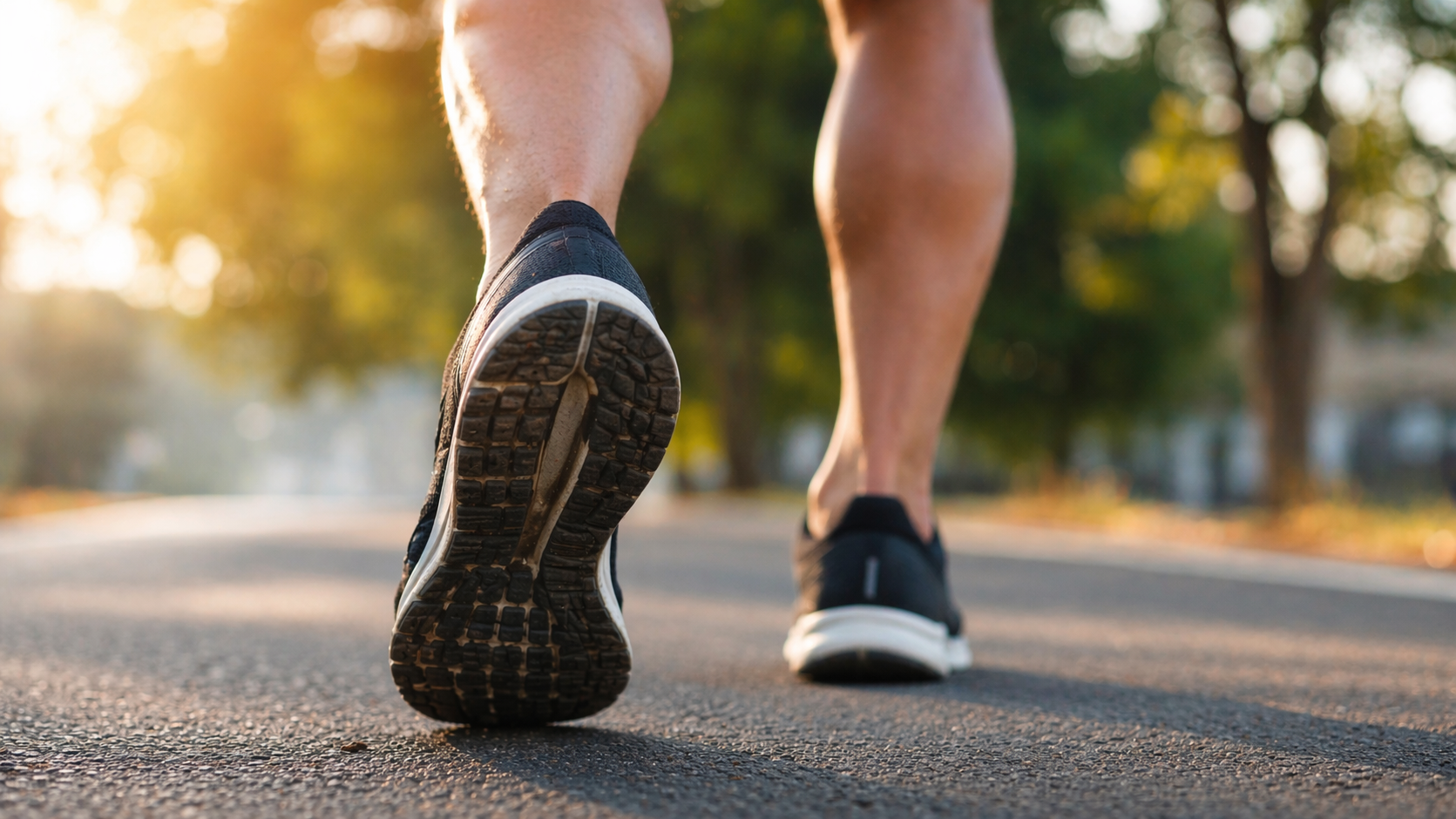
Sore calves often feel like tightness, aching, heaviness, or stiffness. Symptoms may occur during or after running, after prolonged sitting, or the following morning.
Calf muscle pain may be noticeable during push-off, uphill running, or faster efforts. Some runners also experience ankle stiffness, Achilles tenderness, or mild swelling after long runs. Delayed onset muscle soreness tends to peak later and presents as a more generalized discomfort.
Signs Requiring Medical Attention
Severe pain, significant swelling, bruising, or inability to walk or run normally are concerning. Unilateral swelling, redness, warmth, or severe pain without a clear muscle injury raise suspicion for blood clots such as DVT. Pain that is cramping or burning during exercise and improves with rest may suggest chronic exertional compartment syndrome. Immediate medical evaluation is necessary if symptoms are intense or disproportionate.
How a Foot and Ankle Specialist Diagnoses the Problem
Detailed History and Training Assessment
Evaluation begins with a thorough history, including onset, location, and nature of pain, training habits, footwear, and recent changes.
Information about recovery practices, previous injuries, cramps, numbness, or swelling helps differentiate common soreness from specific injuries.
Comprehensive Physical Examination
The exam assesses calf muscles, Achilles tendon, ankle joint range of motion, foot posture, strength, tenderness, and swelling. Functional tests such as balance, heel raises, flexibility, and dynamic foot and ankle movement under load are performed.
Because foot and leg mechanics are interconnected, specialists evaluate muscle imbalances and movement patterns contributing to symptoms.
Imaging When Indicated
Imaging is reserved for cases with suspected muscle tears, Achilles pathology, or bony injuries. Ultrasound or MRI can identify soft tissue damage, while X-rays may be necessary for stress fracture evaluation. When possible, many conditions are first managed with personalized conservative foot and ankle therapies before surgery is considered.
Treatment Options for Running Sore Calves
Early Recovery Phase
In the first 1 to 3 days after symptom onset, protecting the area from high-impact activities is crucial.
- Applying ice or cold compresses reduces inflammation and pain.
- Compression garments can improve circulation and decrease swelling.
- Elevating the legs helps reduce lower leg puffiness or heaviness.
Complete rest is not always necessary; gentle movement and low-impact activities like cycling or swimming support blood flow and healing.
Stretching and Mobility Exercises
After acute symptoms improve, targeted calf stretches aid recovery. A standing calf stretch with the back knee straight targets the gastrocnemius, while a bent-knee stretch focuses on the soleus muscle. Foam rolling can release muscle tension and knots, reducing calf tightness. Dynamic warm-ups including leg swings and ankle mobility drills prepare the muscles for activity better than starting cold.
Strengthening and Muscle Balance
Strengthening exercises such as calf raises, bent-knee heel raises, and controlled single-leg calf work build resilience and reduce injury risk, and they are often part of the clinic’s broader foot and ankle care services.
Addressing muscle imbalances by incorporating hip, glute, hamstring, and ankle strengthening programs prevents calves from overcompensating. This comprehensive approach often resolves recurring soreness.
Footwear and Training Modifications
Replacing worn or inappropriate running shoes with properly fitted, supportive footwear reduces calf and Achilles strain. Cross-training maintains cardiovascular fitness while lowering impact on the calves. Improved pacing and gradual increases in distance, speed, and hill work allow muscles to adapt safely.
Physical Therapy and Specialist Care
Physical therapy addresses mobility restrictions, strength deficits, muscle imbalances, and running form issues that may be difficult to identify independently. In some cases, advanced foot and ankle surgery may be recommended alongside rehabilitation to correct underlying structural problems. Sports medicine and foot and ankle specialists collaborate to optimize performance and manage training load. This integrated care reduces calf pain more effectively than rest alone.
Advanced Treatment Options
Persistent or worsening symptoms may require immobilization, prescription orthotics, or specialized rehabilitation plans. Further evaluation for Achilles tendon injury, compartment syndrome, blood clots, or stress fractures may be necessary. Early diagnosis facilitates timely intervention and better outcomes.
How Wisconsin Foot & Ankle Clinic Can Help With Running-Related Calf Pain
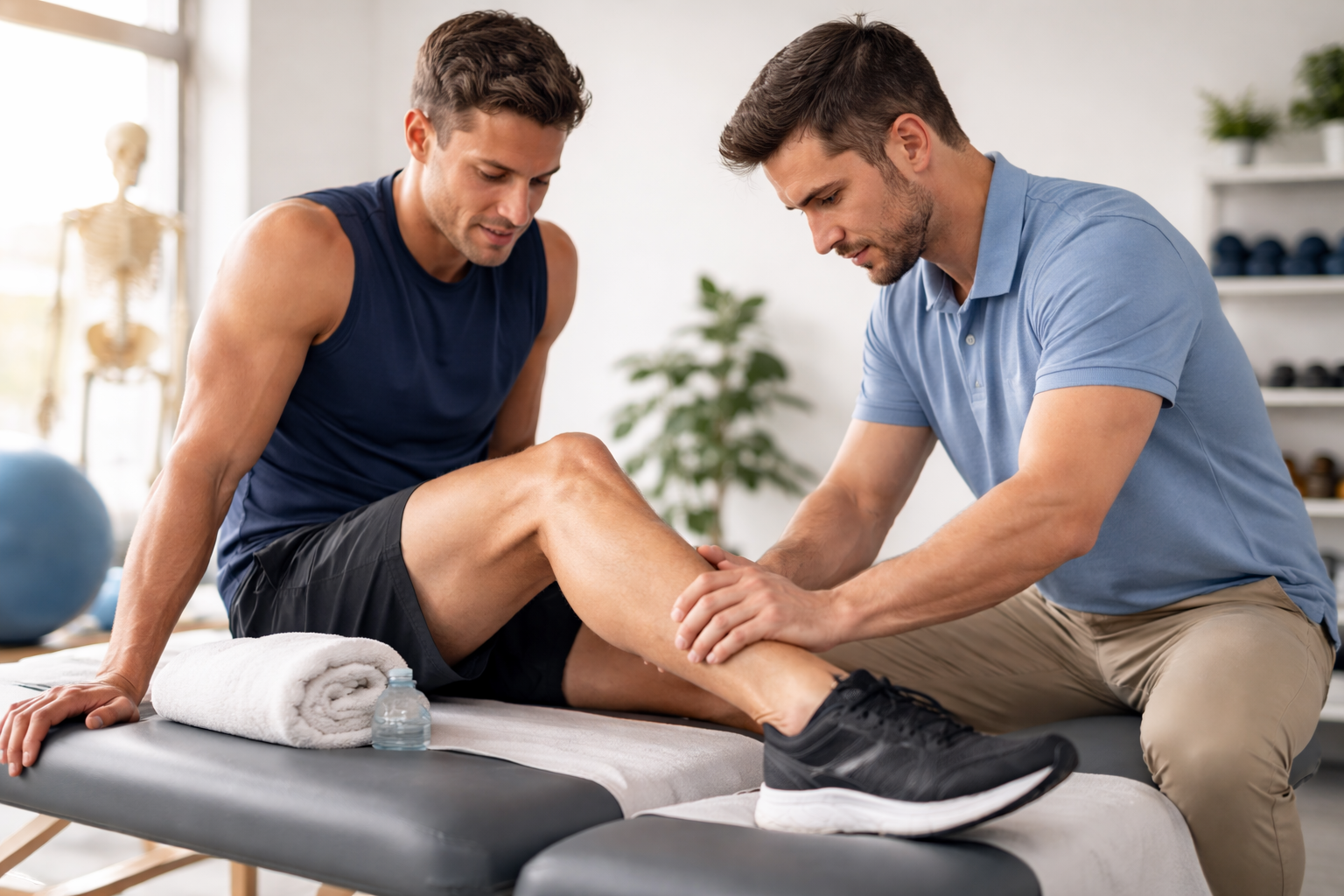
At Wisconsin Foot & Ankle Clinic, we provide expert evaluation and personalized treatment for running-related calf pain. Our specialists perform detailed gait analysis to identify biomechanical factors contributing to your symptoms. We assess foot structure, ankle joint function, and evaluate the Achilles tendon thoroughly. When appropriate, advanced imaging helps clarify diagnoses.
Based on findings, we develop individualized treatment plans that may include physical therapy, orthotics, footwear recommendations, and rehabilitation strategies delivered through our comprehensive care.
Our goal is to address the root cause of your calf pain, optimize your running mechanics, and help you return to a pain-free running experience safely and efficiently.
When To See a Foot and Ankle Doctor
Schedule an evaluation if your calves hurt during every run, if pain persists despite rest, or if it alters your walking or training. Seek care if you experience one-sided swelling, redness, warmth, bruising, popping sensations, or pain near the Achilles tendon or ankle joint. Learning more about our Wisconsin Foot & Ankle Clinic team and approach can help you feel confident taking the next step. Specialist assessment is crucial to differentiate between routine soreness and conditions requiring targeted intervention.
Conclusion
Running sore calves are common but should not be ignored when persistent or recurrent. In many runners, calf pain relates to training load, muscle tightness, poor running form, weak foot or ankle control, or Achilles tendon stress.
Most cases improve with rest, stretching, strengthening, proper shoe support, and guided rehabilitation. Early specialist evaluation ensures accurate diagnosis and tailored treatment, preventing progression and promoting a pain-free running experience.
If your calf pain affects your running, daily activities, or mobility, consulting a foot and ankle specialist can make a significant difference in your recovery and long-term health.


