

Why Your Foot Hurts After a Run Experiencing side of the foot pain after running can be frustrating, especially when running is part of your normal routine, fitness goals, or stress relief. Some runners notice mild soreness along the outer foot after a long run, while others feel sharp pain that makes it difficult to …


Why Your Foot Hurts After a Run
Experiencing side of the foot pain after running can be frustrating, especially when running is part of your normal routine, fitness goals, or stress relief. Some runners notice mild soreness along the outer foot after a long run, while others feel sharp pain that makes it difficult to walk normally afterward. Even mild foot discomfort can become more serious if it keeps returning.
Your feet absorb a surprising amount of force every time you run. Changes in running distance, worn-out running shoes, tight calf muscles, poor foot mechanics, or uneven surfaces can all place extra strain on the outer edge of the foot. In some cases, the pain comes from irritated tendons or overuse injuries. In other situations, it may point to stress fractures or joint problems that need medical attention.
Understanding what may be causing foot pain after running is important because early treatment can help prevent long-term problems. The sooner the source is identified, the easier it usually is to reduce inflammation, protect the affected foot, and return to pain free running safely.
What Does Pain on the Side of the Foot Mean?
Lateral foot pain refers to pain along the outer side of the foot. This area includes the peroneal tendons, cuboid bone, metatarsal bones, ankle joint, ligaments, and several smaller foot muscles that help stabilize movement during running.
Some runners feel burning pain or aching after activity. Others describe severe pain near the outer edge when pushing off the foot. The exact location often helps narrow down the cause. Pain near the heel bone may point toward tendon irritation, while pain closer to the third and fourth toes could suggest a stress injury involving the metatarsal bones.
Pain after running often develops because tissues are exposed to repetitive stress before they have enough time to recover. This can happen gradually over weeks or suddenly after increasing speed, mileage, or hill training too quickly.
Why Running Places Stress on the Outer Foot
Running creates repeated impact through the feet and ankles. Every stride transfers body weight through the foot arch, ankle muscles, calf muscles, and leg muscles. When the foot rolls outward or inward excessively, certain areas absorb more pressure than they should.
Runners with flat feet or abnormal foot alignment may place extra strain on the outer foot during push-off. Tight calf muscles can also affect foot mechanics by limiting ankle flexibility and changing how the foot contacts the ground.
Improper footwear adds another layer of stress. Shoes that no longer provide adequate support can increase impact forces on the Achilles tendon, plantar fascia, and lateral foot structures. Ill fitting shoes or tight shoes may also create pressure points that irritate tendons and joints over time.
Common Causes of Outer Foot Pain in Runners
Several conditions can cause pain on the side of the foot after running. Some are related to overuse and training errors, while others involve instability, foot structure, or inflammation.
Peroneal Tendonitis
One of the most common causes of outer foot pain in runners is peroneal tendonitis. Peroneal tendonitis involves inflammation of the peroneal tendons, which run along the outside of the ankle and foot. These tendons help stabilize the ankle joint during movement.
This condition often develops because of overuse, repetitive stress, or improper footwear. Running on uneven terrain or suddenly increasing running distance may overload the tendons before they can adapt.
People with peroneal tendonitis often notice pain on the outside of the foot that worsens during activity. Swelling, tenderness, and weakness around the ankle may also occur. In more severe cases, small tendon tears may develop if the irritation continues without treatment.
Stress Fractures
Stress fractures are tiny cracks in the bone that occur due to repetitive stress or overuse. They are especially common in runners who increase mileage too quickly or train intensely without proper recovery. A stress fracture occurs most often in the metatarsal bones, although the heel bone and cuboid bone can also be affected. Unlike general soreness, stress fracture pain tends to become progressively worse with activity and may continue even at rest.
Many runners initially mistake this type of foot pain for a mild strain. However, persistent pain, swelling, and difficulty bearing weight are warning signs of a possible foot fracture that should not be ignored.
Cuboid Syndrome
Cuboid syndrome occurs when the cuboid bone on the outer side of the foot becomes misaligned or injured. This condition may develop after ankle sprains, repetitive stress, or sudden twisting injuries. Pain from cuboid syndrome is usually felt near the outer edge of the foot and may worsen while walking or running. Some patients report a feeling of instability or weakness when pushing off the foot.
Because the symptoms overlap with other foot injuries, cuboid syndrome is often overlooked without a proper evaluation by a foot and ankle specialist.
Ankle Sprains and Instability
Previous ankle sprains can sometimes lead to lingering pain along the side of the foot. As ligaments heal, nearby structures may compensate for weakness or instability in the ankle joint. This altered movement pattern can overload the peroneal tendons and surrounding tissues. Some runners continue experiencing discomfort long after the original sprain appears healed.
If ankle instability is present, the foot may roll abnormally during activity, increasing the risk of repeated injuries and ongoing irritation.
Flat Feet and Overpronation
Pain from inflammation on the inner side of the foot or ankle is common in runners with flat feet or those who overpronate. However, excessive rolling of the foot can also create strain along the outer foot.
When the foot rolls excessively inward, the muscles and tendons on the outside of the foot work harder to stabilize movement. Over time, this repeated stress can contribute to tendon irritation, foot arch pain, and chronic pain. Flat feet are not always painful, but certain foot types may increase the risk of overuse injuries during running.
Less Common Causes of Lateral Foot Pain
Although overuse injuries are more common, certain structural or joint conditions can also contribute to lateral foot pain in runners.
Arthritis and Joint Irritation
Arthritis can affect the joints of the foot and ankle, including those along the outer edge of the foot. Osteoarthritis is the most common type and develops gradually from wear and tear over time.
People with arthritis often notice stiffness, swelling, and aching pain after activity. Symptoms may be worse in the morning or after long periods of standing.
Tarsal Coalition
Tarsal coalition is a condition where two or more bones in the foot are abnormally connected. This can cause stiffness, reduced mobility, and pain on the outside of the foot when walking during physical activity.
Some people do not realize they have this condition until symptoms appear during sports or running. Recurrent ankle sprains and ankle pain when walking with limited foot motion are common signs.
How Running Shoes Affect Foot Pain

Your running shoes play a major role in how stress moves through the feet. Shoes that lack proper support can increase pressure on the plantar fascia, Achilles tendon, and outer foot structures. Runners who wear worn-out or poorly fitted shoes are at a higher risk of developing overuse injuries that may require specialized foot and ankle care. Shock absorption decreases over time, especially after several hundred miles of use.
Most experts recommend replacing running shoes every 300 to 500 miles. Proper footwear with shock-absorbing insoles or arch supports can help distribute pressure more evenly across the feet.
Signs Your Shoes May Be the Problem
Many runners continue wearing shoes long after they stop providing adequate support. This can gradually contribute to persistent foot pain. Common signs include uneven wear on the soles, reduced cushioning, or discomfort during runs that did not previously cause pain. Some runners also notice soreness after longer workouts or harder surfaces.
Wearing shoes that fit well and provide adequate support is important for preventing and managing foot pain while running.
Symptoms That Should Not Be Ignored
Some cases of foot pain improve with rest and activity changes. Others may signal more serious foot injuries that require medical care. Persistent pain lasting more than several days deserves attention. Severe pain, swelling, bruising, or difficulty bearing weight may suggest a stress injury or structural problem.
Burning pain, numbness, or sharp pain that radiates into the toes may also point toward nerve irritation or inflammation around the ankle joint, and sudden ankle pain without an obvious injury should be evaluated promptly.
Pain During Running vs Pain After Running
The timing of symptoms can provide helpful clues. Pain that begins during activity and worsens gradually may point toward tendon irritation or muscle fatigue.
If your foot feels fine during the run but throbs afterward, inflammation may be building up once activity stops. Some runners wake up with stiffness or soreness the following morning after a hard run. Pain that continues even during rest is more concerning and should be evaluated promptly.
Other Symptoms Runners Notice
Runners with side of the foot pain after running may also notice swelling around the ankle, tenderness along the outer edge, or weakness when pushing off the foot.
Some people feel instability while running downhill or turning quickly. Others develop sharp pain in the arch of the foot or discomfort near the big toe because the body changes movement patterns to protect the injured foot. Ignoring these symptoms can increase stress on surrounding tissues and lead to additional problems over time.
How a Foot and Ankle Specialist Diagnoses the Problem
A foot and ankle specialist will usually begin with a physical exam and discussion about symptoms, training habits, footwear, and recent activity changes.
The doctor may check foot alignment, flexibility, ankle stability, and walking mechanics. Areas of tenderness and swelling can help narrow down the diagnosis. X-rays may be used initially, although MRI imaging is sometimes needed to identify early stress injuries that do not appear clearly on standard imaging.
Why Early Diagnosis Matters
Many runners try to push through foot pain because they do not want to interrupt training. Unfortunately, this can turn a manageable problem into a more serious injury. Conditions like stress fractures and peroneal tendonitis often respond better when treated early. Delaying care may increase recovery time and raise the risk of chronic pain.
Early evaluation also helps identify biomechanical problems that may continue causing symptoms if left uncorrected.
Initial Treatment for Foot Pain
The first goal of treatment is usually to reduce inflammation and protect the affected foot from further stress. The RICE method, which stands for Rest, Ice, Compression, and Elevation, is commonly recommended after foot injuries. This approach can help alleviate pain, swelling, and inflammation following activity. Reducing running distance temporarily may also allow irritated tissues time to recover.
Anti-Inflammatory Medications
Over-the-counter anti-inflammatory medications such as ibuprofen or naproxen may help reduce inflammation and relieve discomfort associated with overuse injuries. These medications should be used carefully and according to medical guidance, especially for people with stomach, kidney, or heart conditions. Medication may help manage symptoms temporarily, but it does not correct the underlying cause of foot pain.
Physical Therapy for Runners
Physical therapy can be very effective for managing foot pain after running. Treatment focuses on improving flexibility, strength, movement patterns, and healing in the affected area. A therapist may recommend exercises to strengthen ankle muscles, foot muscles, and calf muscles. Improving foot mechanics often reduces strain on irritated tissues, and clinics like Wisconsin Foot & Ankle Clinic often incorporate these strategies into comprehensive treatment plans.
Physical therapy may also include stretching, balance work, mobility exercises, and gait analysis to improve running form safely.
Helpful Strengthening Exercises
Activities like towel scrunches, toe spreads, calf raises, and balance training can strengthen the small muscles that support the arches and ankle joint. Ankle strengthening exercises may help reduce the risk of future injuries by improving stability and control during running.
Incorporating stretching and strengthening exercises into your routine can also improve flexibility and reduce the risk of recurring pain, including issues such as pain on the top of the foot.
The Importance of Custom Orthotics
Custom orthotics may help some runners with flat feet, abnormal foot mechanics, or recurring foot discomfort. These inserts improve foot alignment and help distribute body weight more evenly.
Orthotics can reduce strain on the plantar fascia, heel bone, and outer foot structures. They may also help prevent persistent foot pain by supporting the arches more effectively, particularly for runners prone to top of foot pain. Not every runner needs orthotics, but they can be beneficial when standard supportive shoes are not enough.
Modifying Your Running Routine
Gradually increasing mileage allows your body to adapt more safely to new demands. The 10% Rule advises runners not to increase weekly mileage or intensity by more than 10 percent at a time.
Sudden training increases place excessive stress on the feet and ankles. This is one reason stress fracture injuries are common in runners preparing for races or changing workout routines quickly. Alternating hard and easy days may also help reduce stress on irritated tissues.
Choosing Safer Running Surfaces
Hard surfaces increase impact forces through the feet and ankles. Running on softer surfaces such as grass, dirt trails, or tracks may help reduce stress on painful areas.
Changing terrain carefully is important because uneven ground can also challenge ankle stability. Some runners with ankle sprains or peroneal tendonitis may need to avoid uneven trails temporarily. Supportive footwear remains important regardless of surface choice.
Warm-Up and Recovery Tips
Proper warm-up and cool-down routines can help reduce stiffness and pain after running. Dynamic warm-ups like ankle circles and heel-to-toe walks improve blood flow and range of motion before activity. After running, gentle stretching may help reduce muscle tightness around the calf muscles and Achilles tendon. Recovery strategies are especially important for runners returning after injury or periods of inactivity.
A Few Tips to Prevent Foot Pain
Wearing proper footwear is one of the best ways to prevent foot pain while running. Replace worn shoes regularly and choose running shoes designed for your foot type and activity level. Warm up before running and cool down afterward. Avoid sudden spikes in running distance or training intensity. Pay attention to warning signs from your body. Persistent pain should never be ignored, especially if symptoms worsen with activity.
When You Should See a Foot Doctor
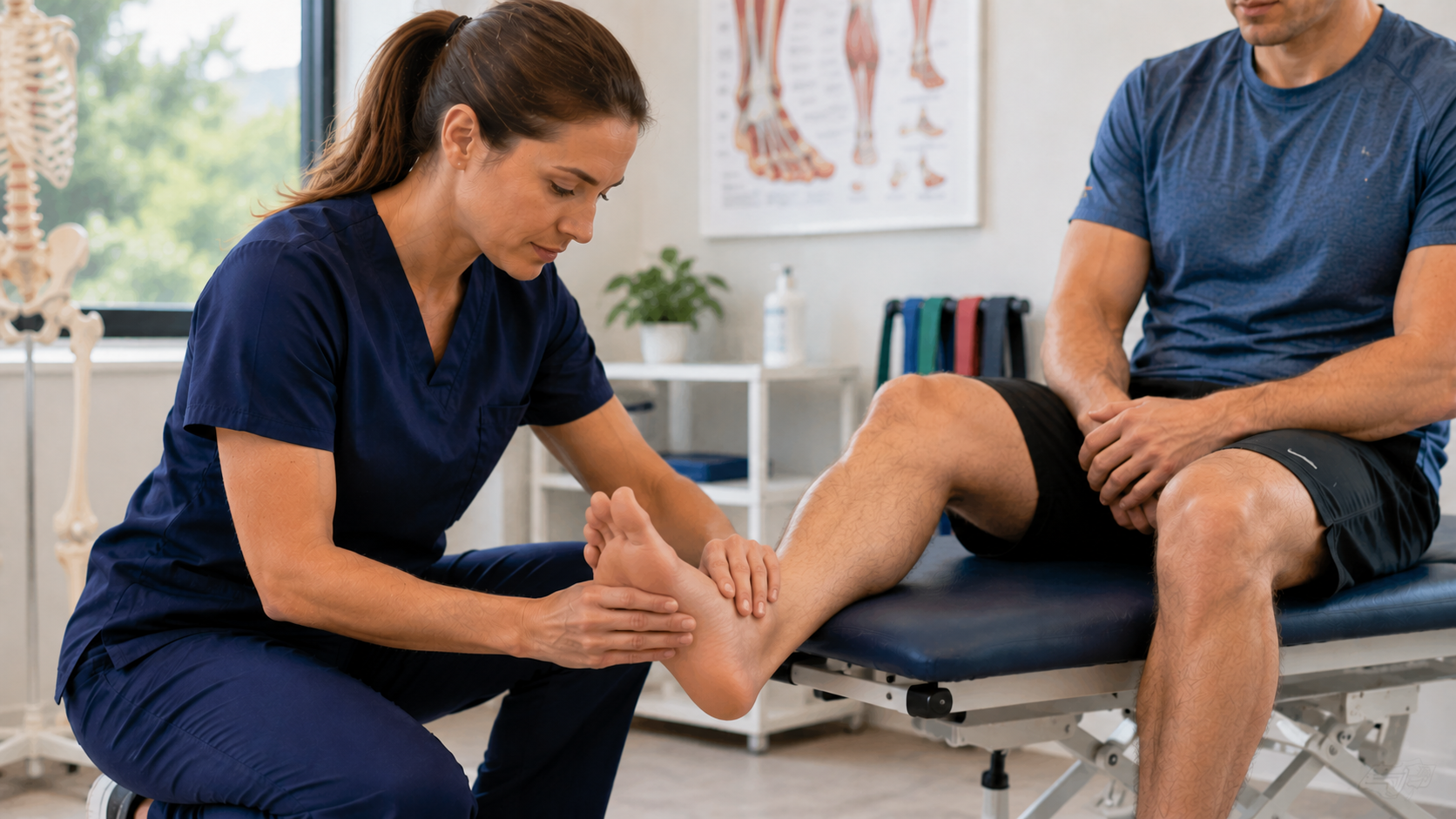
Consulting a healthcare provider is important if foot pain is sharp, persistent, or does not improve with rest. Severe swelling, bruising, numbness, or difficulty bearing weight should also be evaluated promptly. Pain that interferes with walking, work, exercise, or normal daily activities deserves medical attention. Continuing to run through pain may worsen foot injuries and delay recovery.
A foot and ankle specialist can identify the source of pain and create a tailored treatment plan based on your symptoms, foot mechanics, and activity goals, and clinics typically provide clear ways to contact a foot and ankle doctor to schedule an evaluation.
Getting Back to Pain Free Running
Most runners can return to activity successfully with the right treatment plan and proper recovery. The key is identifying the cause early and addressing factors that may be contributing to stress on the foot. Supportive shoes, gradual training progression, strength work, and attention to recovery all play important roles in long-term foot health.
If side of the foot pain after running continues or keeps returning, professional evaluation can help prevent the problem from becoming more serious. Early care often leads to faster healing, better mobility, and a safer return to the activities you enjoy, especially when symptoms are similar to sharp pain on the top of the foot when walking.


