

Why People Try Silicone Toe Spacers A silicone toe spacer is usually used by people who want more room between the toes, less rubbing in shoes, and short-term relief from foot pain. Many patients look for them when they have bunions, overlapping toes, crooked toes, or soreness around the big toe. The appeal is easy …


Why People Try Silicone Toe Spacers
A silicone toe spacer is usually used by people who want more room between the toes, less rubbing in shoes, and short-term relief from foot pain. Many patients look for them when they have bunions, overlapping toes, crooked toes, or soreness around the big toe. The appeal is easy to understand. They are simple to use, widely available, and often recommended as a soft, comfortable option for daily wear.
A silicone toe spacer can help some people, but it has limits. It may relieve pain, reduce rubbing, and create temporary pressure relief. It does not permanently correct a bunion or fully straighten a structural deformity on its own. Medical guidance on bunions consistently favors wider shoes, pressure reduction, and other conservative care first, while noting that these steps improve comfort more than they reverse the deformity.
What Silicone Toe Spacers Actually Do
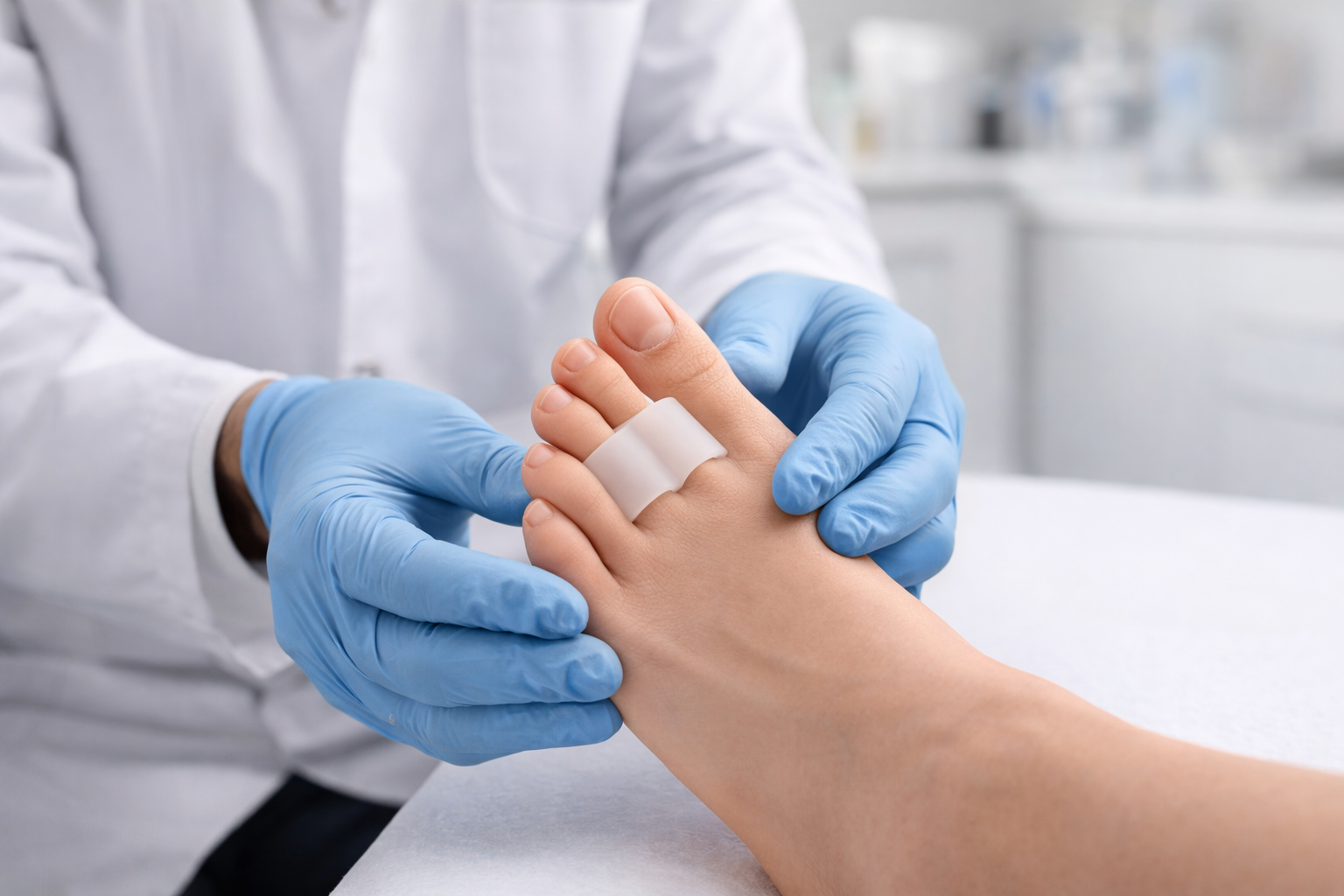
Most silicone toe spacers work by gently helping separate the toes. That can shift pressure away from irritated skin, reduce contact between adjacent toes, and make certain positions less painful. Some people describe them as acting like a brace for the front of the foot, but the key word is gentle. They are a support device, not a true correction for every shape problem.
What Silicone Toe Spacers Can Help With
Bunions
When a bunion pushes the big toe toward the second toe, a silicone toe spacer may create a little more space and reduce rubbing at that area. In practical terms, that can mean less friction inside the shoe and less tenderness at the bunion bump. Wider toe-box footwear and padding are also standard conservative options for bunion discomfort, and spacers can fit into that same symptom-relief approach.
Overlapping Toes
For mild overlapping or crowded toes, silicone toe spacers may make the front of the foot more comfortable and reduce skin-on-skin rubbing. They can be a reasonable trial for toes that are flexible and still move fairly well. But if the toe is stiff, severely rotated, or painful in most shoes, home measures alone may not be enough.
Hammertoes
Silicone toe spacers may help symptoms related to hammertoes by decreasing rubbing and relieving local pressure points, especially in shoes. That said, hammertoe treatment also depends heavily on shoe choice, padding, exercises, and how fixed the toe has become. Foot and ankle guidance commonly recommends larger toe-box shoes and other conservative measures first, with reserved for more persistent cases.
Friction and Pressure Relief
One of the clearest benefits of silicone toe spacers is reducing friction. When toes rub each other, or when a toe presses hard into the side of a shoe, the skin may become irritated. Spacers act as a buffer and may help lower the chance of blisters, calluses, and soft corns caused by repeated rubbing. They can also redistribute pressure, unloading sore spots and making walking feel more manageable, especially when narrow footwear has been compressing the front of the foot.
What Silicone Toe Spacers Cannot Correct
Temporary Alignment vs Permanent Change
A silicone toe spacer may temporarily improve toe positioning while it is being worn, and that can make the foot feel better. However, it does not usually create a lasting structural correction after removal. This point matters for patients hoping a silicone toe spacer will fully fix crooked toes or a bunion without other treatment. Even supportive expert advice notes these devices help while on the foot, not as a permanent reset.
When a Spacer Is Not Enough
If significant pain persists after trying shoe changes, padding, bunion pads, and a silicone toe spacer, that is a sign to look deeper. Persistent symptoms may reflect a more advanced bunion, arthritis, a fixed hammertoe, nerve irritation, or another structural issue. Conservative tools can reduce symptoms, but they do not solve every mechanical problem.
How To Use a Silicone Toe Spacer Safely
How Long To Wear It
It is smart to begin slowly. Many patients do best with 10 to 15 minutes a day, or about 15 to 30 minutes, gradually increasing over a few weeks if the device feels well tolerated. Starting while sitting or lying down can make the adjustment easier. This gradual build helps notice early pressure points before spending hours walking in them. Some people can wear silicone toe spacers for several hours, while others feel discomfort sooner. If the spacer causes aching, numbness, more rubbing, or toe discoloration, it should be removed.
Shoes, Socks, and Fit
Silicone toe spacers can be used with or without socks, and some fit inside shoes better than others. However, a spacer that feels fine barefoot may become irritating inside a snug shoe. It is important to test the full setup, not just the spacer by itself. Not every silicone toe spacer fits every foot shape. Some sets include pieces for large and small toes, while others are closer to a single size model. The spacer should sit snugly without forcing the toes apart too aggressively. If it feels too big, tight, or unstable, it can create new pressure instead of relief. Wider, deep toe-box shoes are recommended to accommodate spacers and reduce pressure.
Cleaning and Replacement
Daily cleaning is simple and important. Rinse the silicone toe spacer with warm water and mild soap, then let it air dry fully before the next use. Keeping it clean matters because these devices sit in a warm, moist area where skin irritation can develop faster if hygiene is poor. A worn or torn spacer should be replaced.
When To See a Foot Doctor
Red Flags
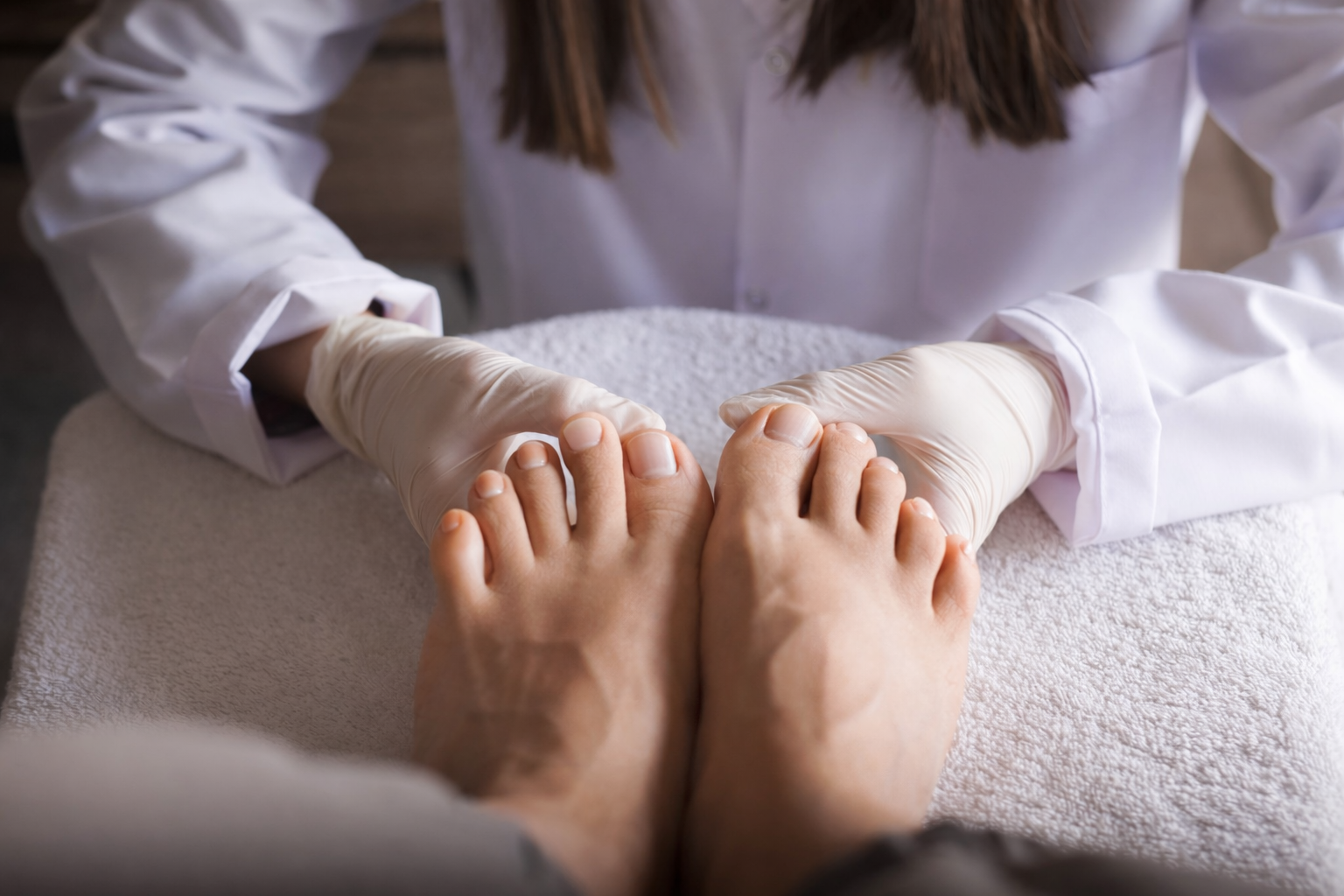
Patients should be cautious if they have diabetes, poor circulation, numbness, open sores, or a history of skin breakdown, as any device that adds pressure or changes shoe fit can increase risk. Stop using the spacer if increased foot pain, numbness, swelling, persistent skin redness, blisters, or difficulty walking occur. A helpful device should improve comfort, not worsen symptoms.
How Wisconsin Foot & Ankle Clinic Can Help
At Wisconsin Foot & Ankle Clinic, treatment goes beyond recommending generic devices. The goal is to identify why the front of the foot hurts, what drives the deformity, and which option matches the stage of symptoms. This may include shoe guidance, padding, orthotics, activity changes, other conservative therapy, or surgery when needed. Dr. Donald T. McDonald’s fellowship training in advanced foot and ankle reconstruction adds an important layer of expertise when a simple silicone toe spacer is no longer enough, reflecting the clinic’s broader specialized foot and ankle care.
The Bottom Line
A silicone toe spacer can be a helpful short-term tool for bunions, mild crowding, overlapping toes, and pressure-related discomfort. It may help relieve pain, reduce friction, and make shoes more tolerable. But it works best as part of a bigger plan that includes better footwear and a clear diagnosis. This article is for educational purposes and does not replace a medical evaluation. If you are dealing with persistent toe pain in Brookfield or the greater Milwaukee area, schedule a visit with Wisconsin Foot & Ankle Clinic to get a clear diagnosis and a treatment plan built for your foot.


