

Sore arches when running can come from plantar fasciitis, but that is not the only possibility. Foot arch pain related to running can also arise from training errors, flat feet, high arches, worn-out running shoes, soft tissue strain, or a more serious underlying cause like stress fractures. For runners, arch pain often starts when the …


Sore arches when running can come from plantar fasciitis, but that is not the only possibility. Foot arch pain related to running can also arise from training errors, flat feet, high arches, worn-out running shoes, soft tissue strain, or a more serious underlying cause like stress fractures.
For runners, arch pain often starts when the load on the foot rises faster than the body can adapt. This article explains the most common causes of sore arches when running, what symptoms to watch for, what may help relieve arch pain, and when to see a specialist. It is for educational purposes and does not replace a medical evaluation.
Why Arch Pain Happens During Running
Your foot arches help absorb stress, support body weight, and transfer force as you walk and run. When those structures take excessive force over extended periods, pain in the arch can develop, especially during or after running.
The arch of the foot depends on bones, ligaments, the plantar fascia, foot muscles, and tendons working together. If one part gets overloaded from running, the arch of your foot may start to hurt during a run or afterward.
Plantar Fasciitis Is A Common Cause of Sore Arches When Running
Plantar fasciitis is one of the most common causes of foot pain in runners. It affects the plantar fascia, a thick band of tissue that runs from the heel toward the toes and helps support the arch.
This condition often causes heel pain along with pain in the arch. Many runners experience pain that is worse with the first few steps in the morning or after resting for a while and then standing again.
How To Tell If It Sounds Like Plantar Fasciitis
Plantar fasciitis often causes pain near the heel and arch, especially with the first steps in the morning or after rest. If your arch pain is more focused in one small spot, causes swelling, or worsens the longer you run, a different cause such as a stress injury or tendon problem may need to be considered.
What The Plantar Fascia Actually Does
The plantar fascia helps cushion the foot from impact and supports the foot arches during running. When it becomes irritated, small areas of inflammation can lead to sharp pain or stabbing pain under the heel and arch.
Plantar fasciitis treatment often starts with simple steps. Rest, stretching, arch support, supportive running shoes, and ice packs are examples of conservative therapies for foot and ankle pain that may reduce inflammation and improve pain relief while the tissue calms down.
It Might Be More Than Plantar Fasciitis
Not every case of sore arches when running is plantar fasciitis. In some runners, the pain may be related to tendon overload, foot structure, footwear, or even a stress injury.
Foot problems such as posterior tibial tendon dysfunction, stress fractures, or structural abnormalities can also lead to pain in the arch.
That matters because treatment depends on the underlying cause. A sports podiatrist will look at where the pain is, what activities trigger it, and whether the symptoms match a tendon, fascia, bone, or nerve issue.
Posterior Tibial Tendon Problems
The posterior tibial tendon connects the calf muscles to the foot and helps support the arch. When that tendon becomes strained, arch pain may show up on the inside of the foot and ankle.
Posterior tibial tendon dysfunction can make the foot roll inward too much during running. Over time, that loss of support can worsen foot arch pain, especially in runners with flat feet or chronic problems.
Stress Fractures Need Special Attention
Stress fractures are small bone injuries caused by repeated stress rather than one sudden event. In runners, they can cause focal pain, swelling, and pain that gets worse with impact, similar to other foot fractures and stress injuries.
This type of foot pain should not be ignored. If you have sharp pain in one spot, pain that lingers even at rest, or trouble walking, a physical examination and imaging may be needed to rule out a fracture.
Flat Feet And High Arches Both Matter
Flat feet can increase strain on the muscles and ligaments that support the arch. Low arches may also increase overpronation, which is excessive inward rolling of the foot during a stride and can contribute to sharp pain in the arch of the foot.
High arches, sometimes called cavus foot, create a different problem. They may not absorb shock well, which can leave the arch, heel, and other soft tissue structures handling more impact than they should.
Training Habits Can Be The Real Trigger
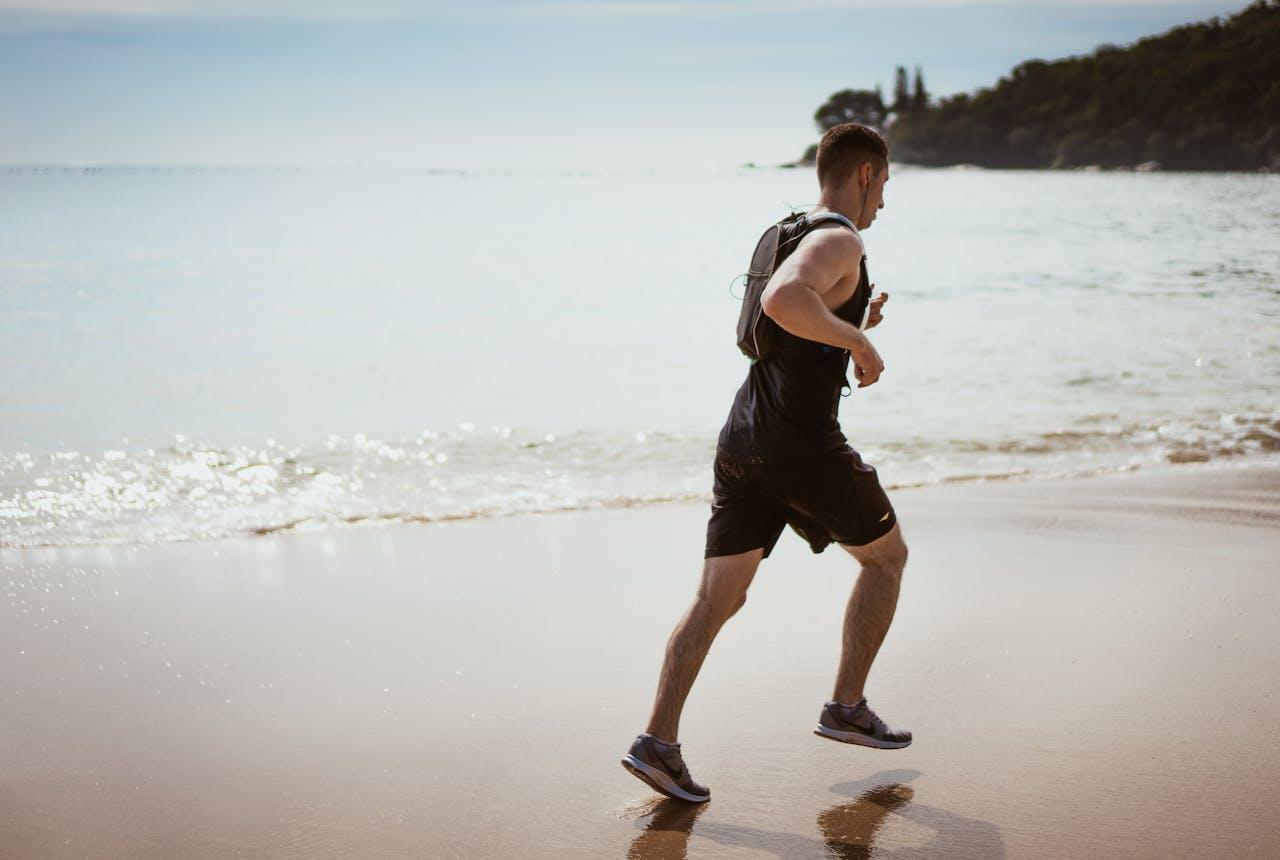
Sometimes the issue is not just the foot. Sudden jumps in mileage, speed work, hills, or running on hard surfaces can overload the arch even when the shoes seem fine.
A gradual increase in mileage or intensity is usually safer than a sudden jump, because rapid training changes can overload the arch and surrounding tissues.
Shoes Can Help Or Hurt
The right running shoe provides the structural foundation the arch needs during running. Worn-out or improper footwear can lack cushioning or arch support, leading to arch strain even if the shoes still look usable.
Monitoring wear and tear matters because midsoles break down before the outside of the shoe looks damaged. Running shoes often lose support before they look worn out. Many runners need replacement after a few hundred miles, though the timing depends on the shoe, the runner, and the surfaces they use.
Matching Shoes To Your Foot Type
Runners with flat feet often do better in stability or motion-control shoes when overpronation is a contributing factor. Supportive footwear with good arch support can make a dramatic difference for pain relief and injury prevention.
Runners with high arches often need neutral, cushioned shoes with flexible soles for better shock absorption. Proper footwear is especially important when higher body weight, hard surfaces, or minimalist shoes are adding more load to the foot.
Flat shoes without midsole support can exacerbate arch pain, especially in runners with higher body weight.
Inserts And Orthotics
Over-the-counter arch supports or orthotic inserts can help relieve pressure on the plantar fascia while healing. Compared with factory insoles, they may improve support and weight distribution.
Custom orthotics may be worth considering for chronic pain or a clear structural abnormality. A podiatrist can design custom orthotics to match foot contours and offload pressure in a more precise way as part of the clinic’s broader foot and ankle care services.
Tight Calves Can Increase Arch Strain
Tight calf muscles can restrict ankle motion and force the arch to work harder with each step. That extra pull can increase tension on the plantar fascia and contribute to heel pain and pain in the arch.
A comprehensive stretching program can help. Stretching before and after running, plus towel stretches and calf massage, may improve blood flow, reduce tension, and support recovery.
Strengthening The Foot Matters Too
Support from shoes is useful, but it should not be the whole plan. Stronger intrinsic foot muscles can reduce reliance on external support over time and may help the arch handle running stress better.
Short foot exercise is one example. It involves pulling the ball of the foot toward the heel to activate the foot muscles that support the arch without curling the toes.
Simple Exercises That May Help
Calf raises are important because stronger calf muscles can reduce tension on the plantar fascia and arch. Heel raises, short foot work, and a steady strengthening routine may also help support the foot.
Post-run recovery can be simple. Rolling the foot over a tennis ball or frozen water bottle may help ease soreness in the arch after running, especially when symptoms are mild.
What You Can Do Right Away
The RICE method usually starts with rest and ice. Applying ice to the arch for 15 to 20 minutes after running may reduce inflammation and help relieve arch pain.
Some people also use nonsteroidal anti inflammatory drugs for short-term pain relief. These medicines may help for a limited time, but they do not fix the underlying cause and are not right for everyone.
Surface And Recovery Changes
Running on softer surfaces can reduce peak impact forces on the arches. Moving some sessions from pavement to grass, track, or gravel may help when hard surfaces are making symptoms worse.
Resting your feet is also important. Continuing to push through pain can turn a mild overuse issue into chronic problems that take much longer to calm down.
When Symptoms Need A Closer Look
See a specialist if pain level keeps rising, if swelling is noticeable, or if the pain changes how you walk. Persistent symptoms, stabbing pain, or pain that does not improve with rest deserve a closer evaluation.
You should also get checked if you have sudden severe pain, signs of infection, numbness, open wounds, or inability to bear weight. Those symptoms can point to something more serious than routine arch strain.
How A Foot And Ankle Specialist Evaluates Runners With Arch Pain
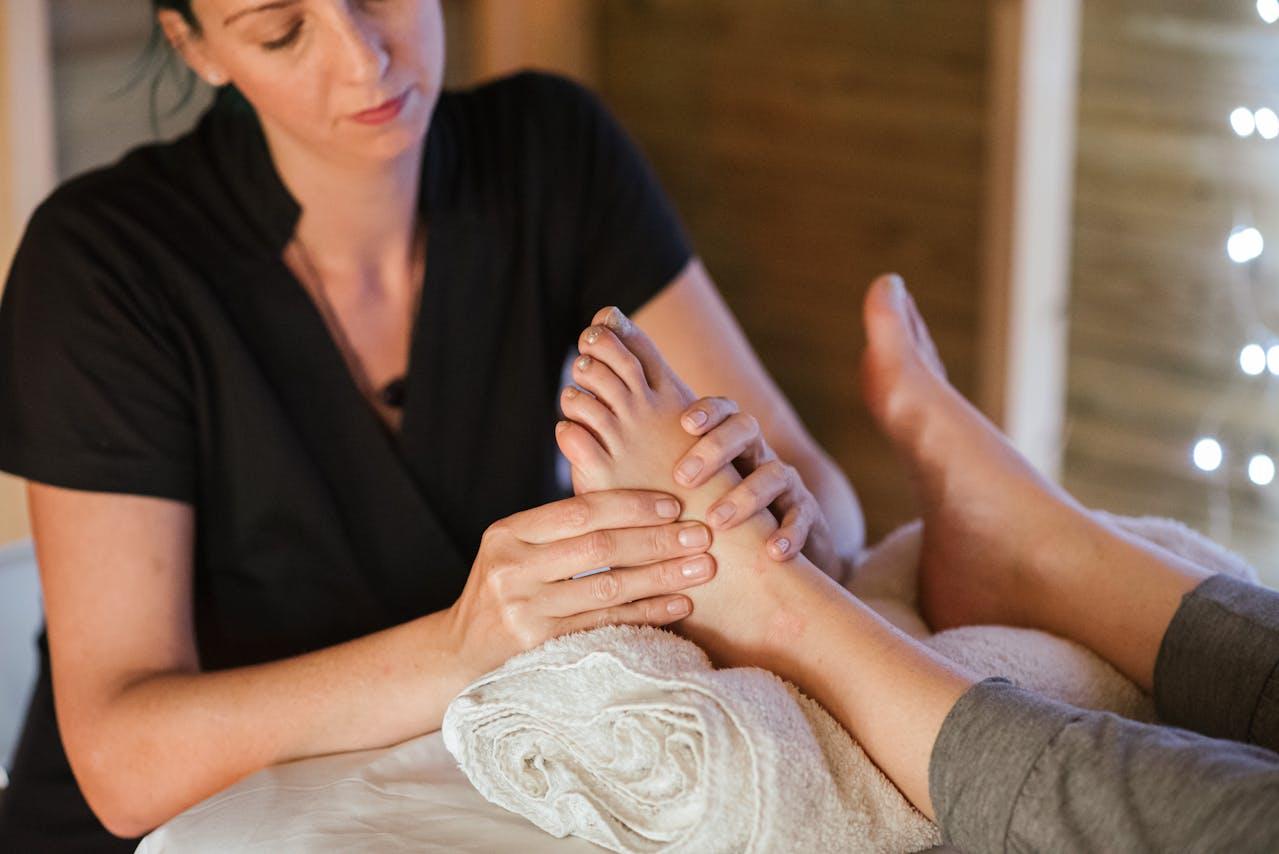
At Wisconsin Foot & Ankle Clinic, the visit starts with a careful history focused on running habits, foot structure, and arch mechanics. A physical examination assesses the arch, heel, and gait to identify any abnormal foot rolls or biomechanical issues that may contribute to sore arches when running.
A gait analysis may be performed to understand foot mechanics during running, and imaging is used when necessary to clarify the diagnosis at this comprehensive foot and ankle clinic.
This runner-focused approach helps create a treatment plan that supports safe return to activity, addressing footwear, orthotics, stretching, strengthening, and training adjustments.
When To Schedule An Appointment
If sore arches when running keep coming back or interfere with your training, it is worth finding out why. Learning more about the clinic’s experienced foot and ankle specialists and seeking early care can help prevent long-term foot problems and make it easier to return to running pain-free.
If you are dealing with persistent arch pain, heel pain, or foot arch pain in Brookfield or the greater Milwaukee area, contact Wisconsin Foot & Ankle Clinic to schedule a visit for a clear diagnosis and runner-specific treatment plan.
Disclaimer
Symptoms of sore arches when running can overlap between different conditions, including issues like foot and ankle arthritis that may need different care. Accurate diagnosis may require an in-person exam and sometimes imaging to ensure appropriate treatment, whether that involves conservative care or advanced foot surgery options.


