

If your toe hurts in shoes, you are not imagining it. Pain that shows up mainly while wearing shoes often points to pressure, friction, or a joint or nerve problem that gets irritated when your foot is enclosed. This article is for educational purposes and does not replace a medical evaluation. If you are experiencing …


If your toe hurts in shoes, you are not imagining it. Pain that shows up mainly while wearing shoes often points to pressure, friction, or a joint or nerve problem that gets irritated when your foot is enclosed.
This article is for educational purposes and does not replace a medical evaluation. If you are experiencing severe pain, new numbness, or you cannot bear weight, contact a healthcare provider promptly.
Why Toe Pain Can Feel Worse in Shoes
Toe pain often flares when footwear changes how your joints move or adds excessive pressure to a tender spot. Ill-fitting shoes can squeeze the toe joint, rub the skin, and force toes into a bent position.
Improper fit occurs when shoes are too tight, narrow, or short, squeezing toes together and causing pressure points and irritation. Toe pain when wearing shoes is most commonly caused by ill-fitting footwear that compresses the toes or forces them into unnatural positions.
The lack of proper arch support and cushioning can worsen foot pain by altering gait and increasing strain through the forefoot. Shoes that are too loose can also cause friction and calluses from sliding.
Quick Shoe Fit Checks That Often Relieve Pain
Good shoes should feel comfortable and supportive immediately. To alleviate toe pain, it is essential to wear properly fitted shoes that offer adequate support and room for toe movement. Ensure there is a thumb’s width of space between your longest toe and the end of the shoe. Narrow or pointed shoes cause crowding, nerve irritation, and pain.
Shoes should have adequate arch support to reduce pressure on the forefoot. If you need more support, shoe inserts can reduce pressure on irritated areas and may help you relieve pain. Feet swell throughout the day, so shopping later ensures you account for maximum foot volume. Foot size and width can change over time, so have both feet measured every time you buy new shoes.
Where Does It Hurt? Symptom Map
Knowing where your toe hurts can help identify the cause. Pain at the base of the big toe may indicate bunions or arthritis, while pain on the top of a middle toe suggests hammertoe. Burning or tingling between the third and fourth toes often points to Morton’s neuroma. Pain along the nail edges may be from ingrown toenails, and soreness under the ball of the foot near the big toe can signal sesamoiditis.
7 Common Causes When Your Toe Hurts in Shoes
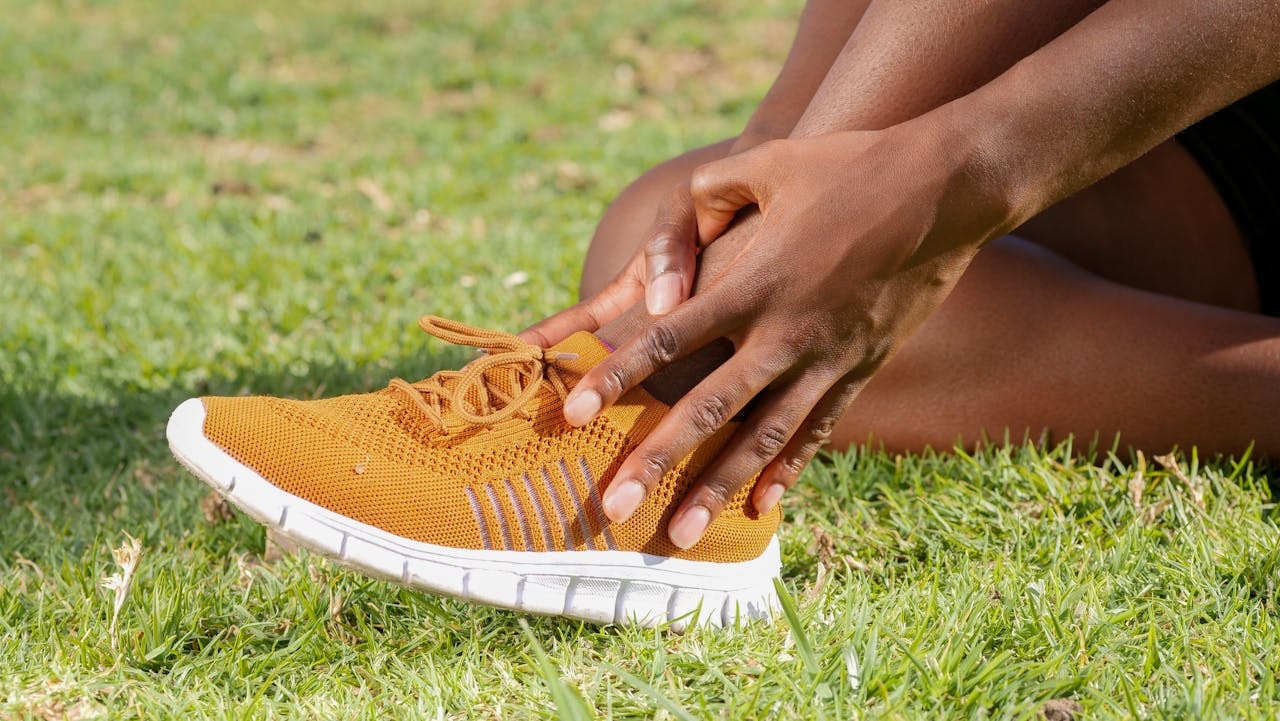
More than one or more ailments can overlap, and injuries vary by age, activity level, and prior medical history. These are common patterns a foot and ankle specialist considers when finding the root cause.
1) Bunions and Big Toe Joint Irritation
Bunions occur when a bony bump forms at the base of the big toe, causing it to push against the toe beside it. This changes mechanics at the big toe joint and can trigger toe pain in shoes. Bunions develop gradually and often relate to inherited foot structure, family medical history, or wearing tight shoes. Pain may come and go early, then become more persistent as the bunion enlarges.
2) Hammertoes and Pressure on the Top of the Toe
Hammer toe is a condition where one or more of the middle toes bend at the middle joint, causing pain and discomfort. When the toe stays in a bent position, the top of the toe can rub against footwear. Wearing tight shoes that compress the toes can contribute to hammer toe development. Toe joints affected by hammertoe often ache, especially when wearing shoes or walking.
3) Corns, Calluses, and Friction Hot Spots
Skin thickening is a common response to repeated pressure. Calluses hammertoe bunions can feed into each other when the foot is crowded, creating painful pressure points. A painful pinky toe can make every step feel uncomfortable, and wearing tight shoes can lead to irritation, corns, or calluses along the sides of the toe. These issues often feel like sharp discomfort that improves when shoes come off.
4) Ingrown Toenails and Nail Edge Irritation
Ingrown toenails occur when the side of the nail grows into the skin, often worsened by narrow toe boxes. Pain is usually focused along the nail corner and flares with contact inside shoes. Watch for worsening swelling, warmth, drainage, or spreading redness. If those signs appear, do not wait for home care alone.
5) Morton’s Neuroma Between the Third and Fourth Toes
Morton’s neuroma causes burning or tingling between the third and fourth toes when tight shoes squeeze the digital nerves. Many people notice symptoms while walking, especially in narrower footwear. Symptoms can worsen in narrow toe boxes and improve with a wider toe box and better support, but persistent tingling or burning deserves evaluation.
6) Arthritis, Gout, and Inflammatory Joint Flares
Arthritis is a common cause of persistent toe pain. Osteoarthritis occurs when the cartilage cushioning your joints breaks down over time, causing pain and stiffness. Rheumatoid arthritis is an autoimmune disease that causes inflammation and pain in the joints, including the toes. Gout is a type of inflammatory arthritis that occurs when uric acid crystals accumulate in a joint, often affecting the big toe.
If you have tight arthritis gout corns risk factors, a flare can make shoes feel suddenly intolerable. The most severe toe pain is not always an emergency, but rapid swelling and heat should be evaluated.
7) Injuries, Stress Fractures, and Toe Joint Sprains
Toe injuries can result from trauma sports injury, dropping something heavy, or sports injury on the field. Symptoms of a broken toe, dislocation, or sprain often include swelling pain, bruising, and intense pain.
Stress fractures can occur in the toe bones due to repetitive stress or impact, leading to pain that worsens with activity. If you had recent physical traumatic events or a sudden change in training, do not ignore worsening pain. Stress fractures can occur in the toe bones due to repetitive stress or impact, leading to pain that worsens with activity.
Other Conditions That Can Mimic Shoe Related Toe Pain
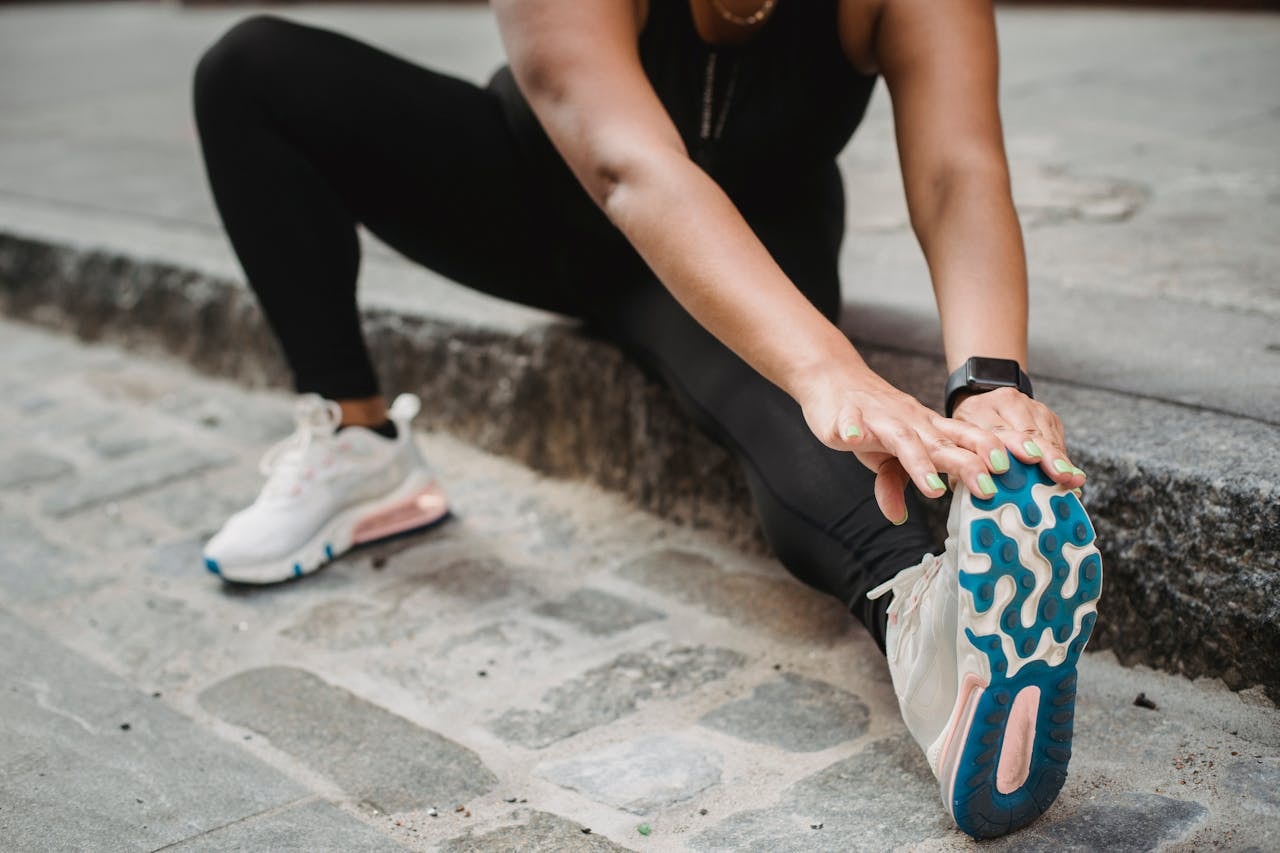
Sesamoiditis refers to inflammation of the tendons and tissues surrounding the sesamoid bones beneath the big toe joint. It often hurts under the big toe during push-off.
Capsulitis of the second toe occurs when the ligaments surrounding the joint at the base of the second toe become inflamed. This can feel like forefoot pain that worsens in shoes and may create the sense that something is “off” when you walk.
Home Care for Short Term Relief
Resting the affected foot can provide relief from toe pain. Resting and elevating your feet can reduce swelling. If your pain is related to Achilles tendonitis, incorporating Achilles tendonitis exercises can help reduce pain and improve flexibility.
Cold therapy involves applying an ice pack wrapped in a towel for 10–20 minutes to dull pain and reduce inflammation. Icing the affected area can help alleviate toe pain, especially after activity.
Soaking your feet in warm water with Epsom salts may soothe soreness for some people. If your clinician says it is safe for you, taking an NSAID may help relieve pain associated with toe pain.
Replace walking or running shoes every 300 to 500 miles to maintain cushioning and support. Wearing comfortable, padded, flat shoes can help relieve toe pain during a flare.
Red Flags and When to Seek Care Quickly
Get urgent evaluation if you have severe toe pain after an injury, you cannot walk normally at home, or pain prevents you from walking normally at home. Sudden deformity, worsening bruising, or concern for broken bones also needs prompt care.
Seek care for fever, drainage, spreading redness, or worsening swelling. People with diabetes, poor circulation, neuropathy, or nerve problems should be more cautious and contact a clinician earlier.
If toe pain persists for several days, it is best to see a physician. Ignoring recurrent toe pain can lead to worse pain and complications.
How a Podiatrist Finds the Underlying Cause
A podiatrist may start with simple visual inspections and questions about shoes, activity, and your medical conditions. Details like prior medical history, family medical history, and the exact location of pain help narrow the underlying cause.
An exam can include sensation tests and checking alignment of the toes, foot, and ankle. Imaging may include X rays, and in some cases MRI scans, especially for suspected stress fractures or soft tissue injury.
Treatment Options at Wisconsin Foot and Ankle Clinic
Treatment depends on the diagnosis, severity, and your daily activities. Options can include footwear guidance, padding, taping, activity changes, and treatment options like injections when appropriate.
Supportive care may include shoe inserts or custom orthotics to reduce pressure and improve mechanics. Consult a podiatrist for personalized footwear recommendations or custom orthotics if you have persistent foot pain or pre-existing conditions.
When symptoms persist or there is structural damage, surgical intervention may be considered. Wisconsin Foot & Ankle Clinic provides both conservative care and advanced surgery options across foot reconstruction, bunions, hammertoes, fractures, and complex problems using a thorough exam and imaging when appropriate.
Dr. Donald T. McDonald is a fellowship-trained foot and ankle surgeon with advanced experience in reconstruction, trauma, and ankle replacement. That expertise helps patients get a clear plan, whether they need simple care or more advanced methods.
Next Step If You Are Experiencing Toe Pain in Shoes
If your toe hurts in shoes repeatedly, the goal is a clear proper diagnosis. The right plan can reduce symptoms, protect the joint, and help you move toward pain free walking.
If you are in Brookfield or the greater Milwaukee area and your foot and ankle needs include persistent toe pain or foot problems, schedule a visit with Wisconsin Foot & Ankle Clinic. You will get an evaluation focused on the root cause and the safest treatment options to help you return to normal footwear and activity.


