
If you've ever experienced discomfort on the upper part of your foot, you're not alone. Top of foot pain is a common condition that can affect people of all ages and activity levels. It can range from mild tenderness to intense pain that interferes with walking or daily activities. Addressing top of foot pain early …

If you’ve ever experienced discomfort on the upper part of your foot, you’re not alone. Top of foot pain is a common condition that can affect people of all ages and activity levels. It can range from mild tenderness to intense pain that interferes with walking or daily activities. Addressing top of foot pain early is essential to avoid further complications and ensure proper treatment. In this article, we’ll explore the most common causes, how it’s diagnosed, and effective non-surgical foot pain treatment options available through professional podiatric treatment.
What Is Top of Foot Pain?
The top of the foot is a complex area made up of small bones, tendons, nerves, and joints, all of which work together to support movement and balance. Because of its structural complexity and daily use, it’s vulnerable to injury and chronic stress. Understanding what causes top of foot pain is the first step toward effective relief and long-term foot health.
Understanding the Location and Symptoms
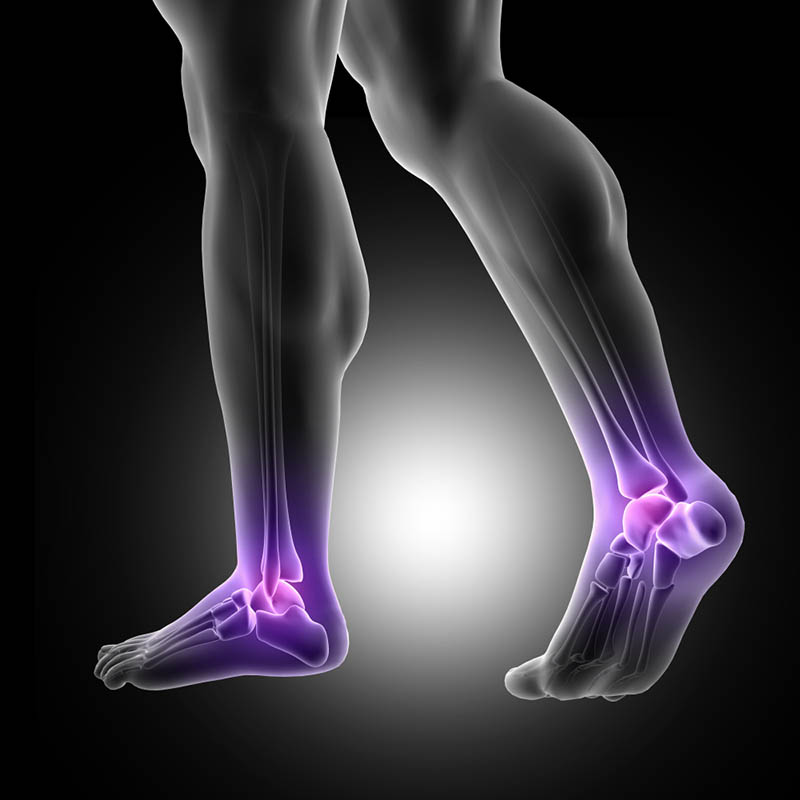
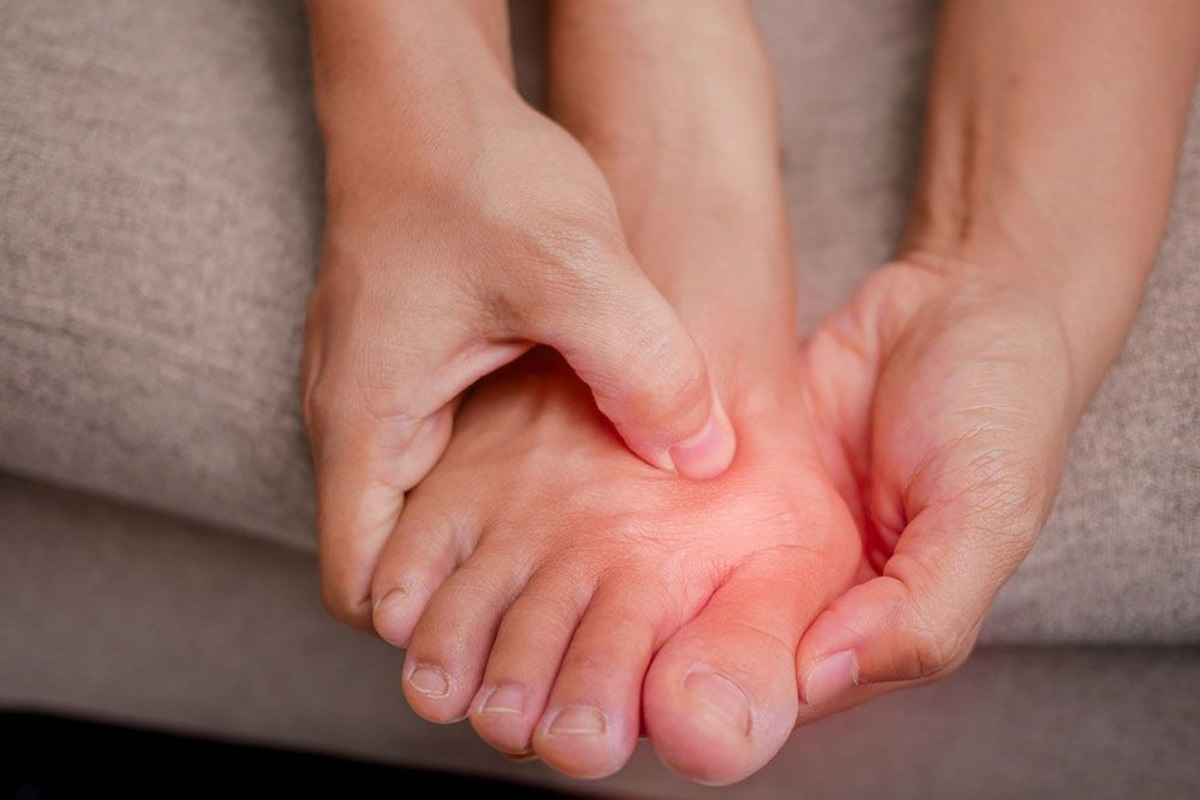
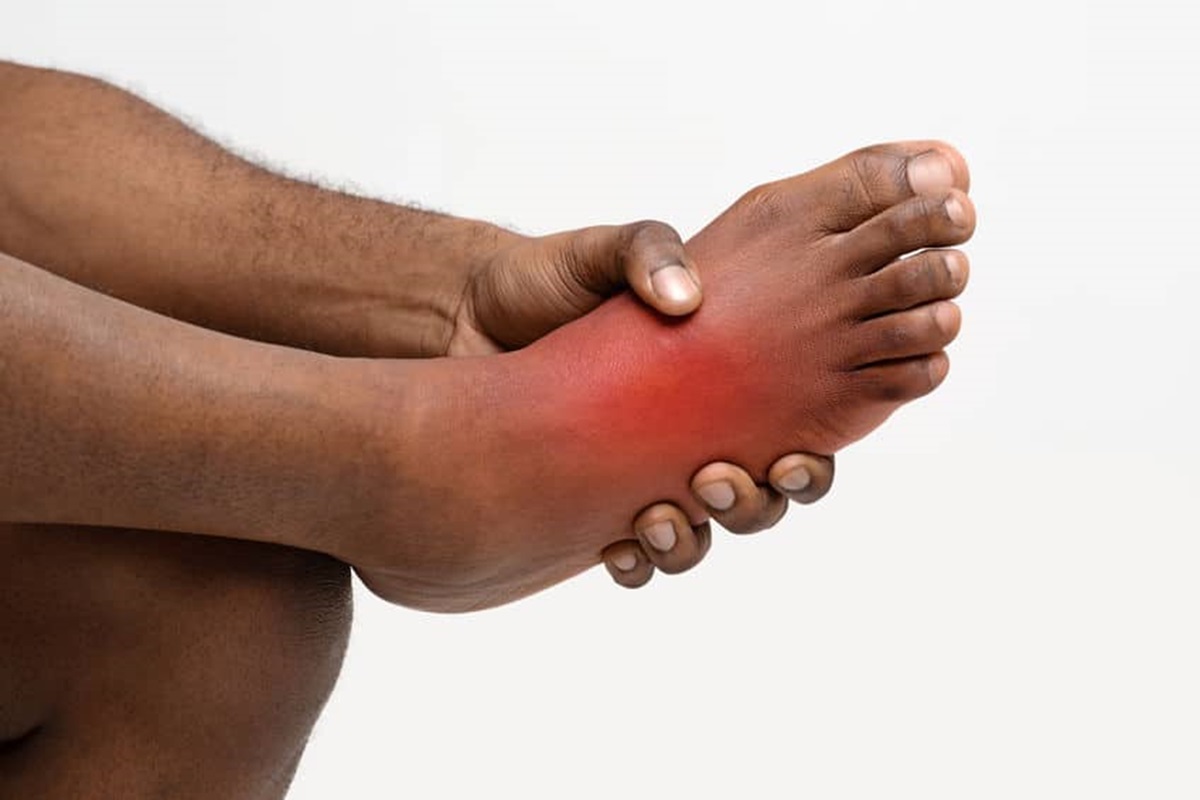
Top of foot pain refers to discomfort felt along the upper side of the foot, stretching from the toes to the ankle. This area contains many tendons, small bones, and joints that are prone to injury or overuse. Common symptoms include aching, sharp or burning pain, numbness or tingling, swelling, bruising, or tenderness to touch on the upper side of the foot.
The pain can be exacerbated by prolonged activities, such as walking, running, or standing for long hours. Some individuals may notice a bump on the top of the foot, indicating a possible ganglion cyst, bone spur, or underlying structural issue. As foot anatomy diagrams reveal, the top of the foot plays a crucial role in weight distribution and movement, making it vulnerable to a variety of conditions.
Research shows that foot pain affects approximately 13% to 36% of adults, with women being at a significantly higher risk. This widespread issue not only impacts mobility but also quality of life, especially if left untreated. Awareness and early management are essential to prevent chronic discomfort and functional limitations.
What Causes Pain on Top of the Foot?
Pinpointing the cause of pain on top of foot is essential for accurate diagnosis and targeted treatment. Whether it’s an overuse injury, joint deformity, or a systemic condition, the underlying issue will shape the treatment strategy. Let’s explore the most common medical conditions and lifestyle factors that contribute to foot pain on top of foot.
Overuse-Related Conditions
Pain in the top of the foot often results from repetitive strain or overuse. These activities lead to inflammation and micro-injuries in the bones and tendons.
- Stress fractures – These are tiny cracks in the bones, often from repetitive high-impact activity like running. A bone scan or x-rays can confirm the diagnosis. Stress fractures typically cause persistent pain that worsens with weightbearing difficulty.
- Extensor tendonitis – This occurs when the tendons that run along the top of the foot become inflamed, usually due to overuse or tight footwear. Symptoms include swelling, tenderness, and restricted movement. Stretching exercises and calf muscle stretching can aid recovery.
- Midfoot arthritis (often due to osteoarthritis) – Chronic wear and tear of the joints in the midfoot can result in pain on top of foot, especially after standing or walking. Joint mobility and range of motion assessments are important for diagnosis.
Structural or Joint-Related Issues
Structural abnormalities or joint dysfunctions can also cause foot pain on top of foot, especially when combined with mechanical stress.
- Hammertoe or claw toe – Deformities in toe alignment that place uneven pressure on the top of the foot, often worsened by poor arch support and high heel height shoes.
- Hallux rigidus – A form of arthritis affecting the big toe joint, limiting movement and causing significant pain in top of foot during walking or toe-off.
- Bone spurs – Extra bone growths that can develop on top of the foot, often pressing on nerves or tendons and causing discomfort.
- Lisfranc injury – A disruption of the midfoot joints or ligaments, often misdiagnosed. This injury can be confirmed with MRI or CT scans, especially in cases of swelling and restricted movement.
Other Possible Causes
Several less common but notable conditions may also lead to pain on top of foot.
- Ganglion cysts – Noncancerous lumps filled with fluid, these cysts often appear as a visible bump on the top of the foot and can cause pain by pressing on nearby nerves or tendons.
- Nerve entrapment – Also known as peripheral neuropathy, this condition involves compressed nerves that cause burning pain, numbness, or shooting pain on the top of the foot.
- Ill-fitting footwear – Tight shoes, lack of cushioning, or poorly designed soles can lead to chronic top of foot pain.
- Inflammatory conditions – Gout, osteoarthritis, and other autoimmune conditions can trigger sudden or chronic pain in top of foot, often accompanied by swelling and tenderness.
More than 90% of individuals diagnosed with rheumatoid arthritis will eventually experience symptoms in their feet and ankles. These symptoms can include inflammation, stiffness, and the development of deformities, which often contribute to long-term pain and reduced mobility. Prompt intervention and proper podiatric care are vital in minimizing complications related to these conditions.
Tarsal coalition and sinus tarsi syndrome are also rare but possible structural and inflammatory causes that should be considered during evaluation.
Diagnosing Top of Foot Pain
Proper diagnosis is crucial when dealing with top of foot pain, especially when symptoms persist or worsen. Advanced tools and clinical expertise help podiatrists understand the source of discomfort and rule out serious conditions. This section outlines what you can expect during a clinical exam and the types of questions and tests that may be involved.
What to Expect During a Foot Exam
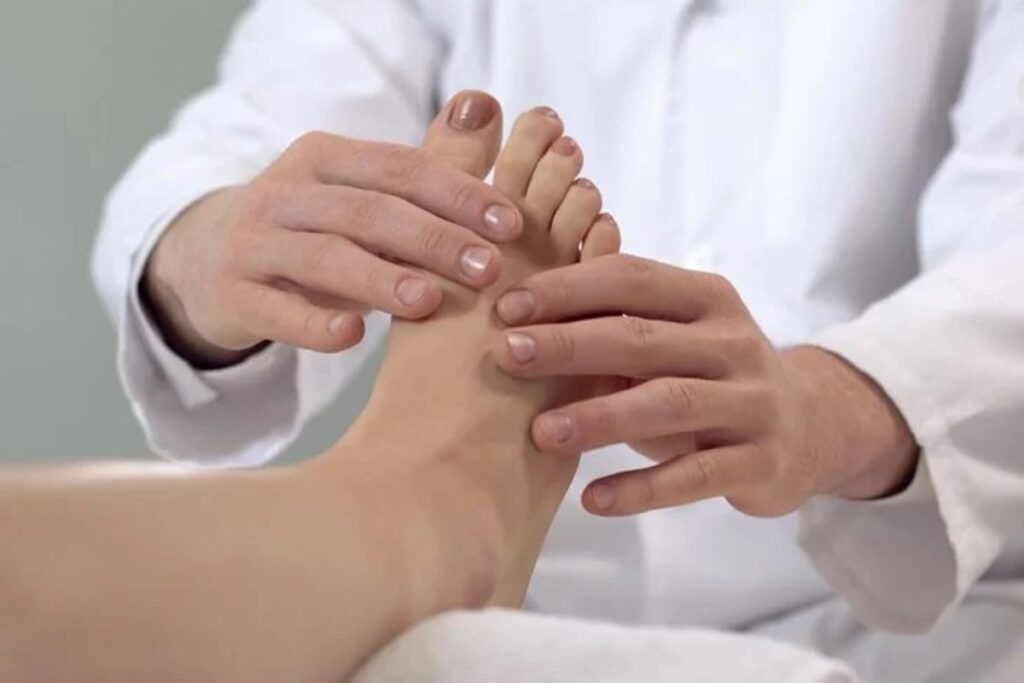
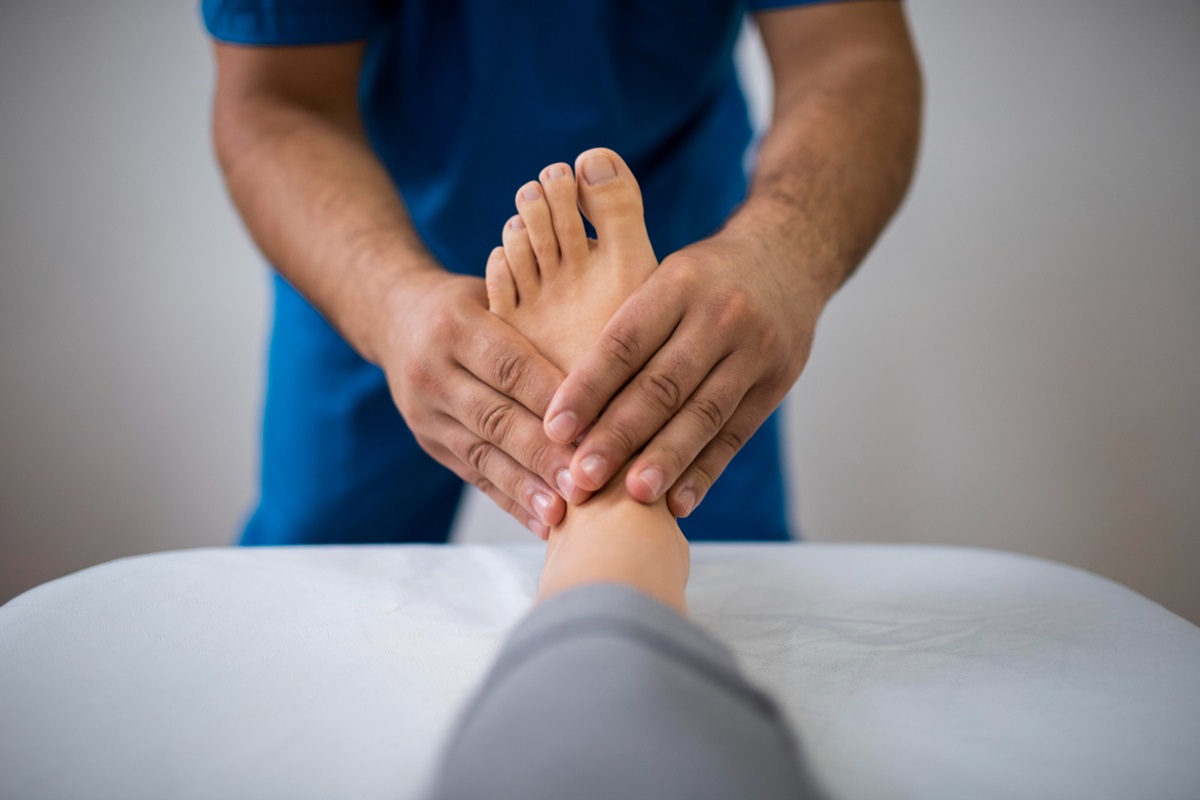
Diagnosis starts with a thorough evaluation. A professional podiatric treatment provider will begin with a physical assessment of the foot, checking for swelling, tenderness, and abnormalities in range of motion or joint mobility. Imaging techniques such as x-rays, MRI, CT scans, and ultrasound help to visualize internal structures.
Gait analysis may also be conducted to assess how you walk and identify mechanical stress points. Blood tests may be required to rule out systemic causes such as gout or autoimmune diseases. Together, these diagnostic tools form a complete picture of your condition.
Questions Doctors Might Ask
To narrow down potential causes of top of foot pain, a specialist may ask:
- When did you first notice the pain on top of foot?
- Are you experiencing persistent pain or is it activity-related?
- Do you have a bump on the top of the foot?
- Have you recently changed your footwear or started new physical activity?
- Do you experience numbness or tingling in the area?
These questions help determine the nature of your foot pain on top of foot and guide further testing or referral to a podiatrist.
Treatment Options for Pain on Top of Foot
Once a cause is identified, treatment can range from simple lifestyle adjustments to specialized medical interventions. For many patients, non-surgical foot pain treatment options are effective at relieving symptoms and restoring function. In this section, we’ll review both home remedies and professional care strategies available for managing pain in top of foot.
At-Home Treatments
Many cases of top of foot pain can be managed through home treatment methods aimed at reducing inflammation and promoting healing.
- Rest: Avoid activities that aggravate the pain.
- Ice: Apply ice packs for 15–20 minutes to decrease swelling reduction.
- Compression and elevation: Use compression socks and elevate your foot to reduce swelling.
- Supportive footwear: Wear well-fitted shoes with proper arch support and cushioning.
- Over-the-counter pain relievers: Oral anti-inflammatory medications like ibuprofen can help with inflammation and pain relief.
- Foot massage and foot soak: These can improve circulation and relieve tension.
- Mobility exercises and foot exercises: Incorporate gentle stretching and rolling the foot on a tennis ball to promote flexibility.
Medical Treatments
For more severe or persistent cases, professional podiatric treatment offers targeted solutions.
- Physical therapy: Improves strength, mobility, and helps realign biomechanics.
- Custom orthotics: Tailored insoles provide support and reduce strain on affected areas.
- Functional orthotics: And rocker style shoes can reduce pressure on painful joints.
- Corticosteroid injections: Used for severe inflammation such as in extensor tendonitis or gout.
- MLS laser treatments: A non-invasive option to promote healing and reduce pain.
- Splinting, toe separators, or walking cast: Often prescribed for structural deformities or fractures.
- Surgical intervention: Only considered when non-surgical foot pain treatment fails, especially in advanced cases of hallux rigidus or Lisfranc injury.
Can Top of Foot Pain Be Prevented?
Prevention is often the best treatment when it comes to foot and ankle health. By taking steps to protect your feet and minimize strain, many causes of pain on top of foot can be avoided altogether. This section outlines actionable tips to keep your feet healthy and reduce the risk of recurring issues.
Prevention Tips
Prevention involves maintaining foot health and avoiding stressors that can trigger pain.
- Wear supportive footwear: Proper shoes with arch support and heel height suited to your needs can prevent many conditions.
- Perform stretching and foot exercises: These improve joint mobility and range of motion, helping prevent injury.
- Increase activity gradually: Avoid overexertion and allow your body to adapt to new exercise routines to prevent stress fractures or tendonitis.
Other strategies include maintaining a healthy weight, monitoring foot anatomy changes, and incorporating calf muscle stretching into your routine.
When to See a Doctor for Top of Foot Pain
While mild top of foot pain can often be treated at home, some symptoms may indicate more serious underlying issues. Delaying medical care can lead to complications or long-term damage. Here are the signs that it’s time to seek help from a podiatric specialist.
Warning Signs You Shouldn’t Ignore
Recognizing when pain on top of foot is serious can make a big difference in outcomes. See a podiatrist if you experience:
- Persistent pain that does not improve with home treatment.
- Swelling and tenderness to touch that worsens.
- A visible bump on the top of the foot or restricted movement.
- Difficulty bearing weight or walking.
- Signs of infection, such as redness, warmth, or fever.
A timely referral to a podiatrist ensures accurate diagnosis and personalized care.
How Wisconsin Foot & Ankle Clinic Can Help
At Wisconsin Foot & Ankle Clinic, we are committed to providing expert care tailored to each patient’s needs. Our team combines advanced diagnostics with personalized treatment plans to deliver effective, lasting relief. Here’s what makes our clinic a trusted resource for treating top of foot pain and related conditions.
Expert Diagnosis and Personalized Care
At Wisconsin Foot & Ankle Clinic, our experienced team offers comprehensive evaluation and professional podiatric treatment for a wide range of conditions. We utilize advanced tools such as imaging tests (MRI, CT scan, x-rays) and gait analysis to accurately diagnose top of foot pain. Whether it’s extensor tendonitis, ganglion cyst, or a stress fracture, we create a non-surgical foot pain treatment plan tailored to your unique condition.
Why Choose Us for Foot Pain Relief
- Board-certified podiatrists with decades of experience
- Cutting-edge diagnostic and therapeutic technology
- Customized treatment plans, including MLS laser treatments, custom orthotics, and foot exercises
- Focus on non-surgical foot pain treatment whenever possible
- Compassionate care aimed at restoring full function and comfort
Conclusion
Ignoring top of foot pain can lead to long-term complications. Whether it’s due to overuse, joint issues, or footwear choices, timely diagnosis and effective treatment are crucial. Wisconsin Foot & Ankle Clinic offers professional podiatric treatment to get you back on your feet—pain-free. If you’re experiencing symptoms, don’t wait. Reach out today for compassionate, expert care.
FAQs
What does it mean when the top of your foot is hurting?
It can indicate overuse injuries like tendonitis, stress fractures, or even structural issues like bone spurs or ganglion cysts. Poor footwear or systemic conditions like gout can also be culprits. A comprehensive evaluation is key to effective non-surgical foot pain treatment.
What does tendonitis on top of the foot feel like?
Extensor tendonitis causes aching, burning, or sharp pain, particularly during movement or when the foot is pressed. You may also notice swelling and tenderness along the top of the foot. Proper home treatment and rest often alleviate symptoms.
What to do if your upper foot hurts?
Begin with ice, rest, and wearing supportive footwear. Try stretching exercises and compression socks to manage swelling. If the pain persists or worsens, consult a specialist for professional podiatric treatment.