

Many people say “bunionectomy” thinking it means just removing the bony bump on the foot. However, most modern bunion surgeries do much more than shave the bump, they realign the bones of the big toe and foot to correct the deformity and restore proper function. Bunion surgery typically realigns the bones and balances the surrounding …


Many people say “bunionectomy” thinking it means just removing the bony bump on the foot. However, most modern bunion surgeries do much more than shave the bump, they realign the bones of the big toe and foot to correct the deformity and restore proper function. Bunion surgery typically realigns the bones and balances the surrounding soft tissues to relieve pain and restore foot function. The primary goal of these procedures is bunion correction.
If you’re a patient considering bunion surgery, understanding your treatment options can help you make informed decisions about what to expect for recovery, footwear choices, and reducing the risk of the bunion coming back. This article explains the types of bunionectomy surgery available today, how surgeons decide which procedure is right for you, and what to expect before and after surgery.
Understanding Bunion Causes and Symptoms
Bunions, medically known as hallux valgus, are a common foot problem causing a bony bump on the inside of the foot at the base of the big toe joint. This bump forms when the bones in the front of the foot become misaligned, causing the big toe to push toward the second toe.
Common causes include:
- Genetics and family history
- Wearing tight, narrow, or high-heeled shoes
- Abnormal foot structure or biomechanics
- Arthritis or previous foot injuries
Symptoms often include:
- Visible bump on the side of the big toe
- Redness, swelling, or tenderness around the joint
- Pain during standing or walking
- Big toe overlapping or underlapping the second toe in severe cases
Early evaluation by a foot and ankle specialist or podiatrist is important to relieve pain, improve toe alignment, and prevent worsening deformity.
When Is Bunion Surgery Considered?
Bunion surgery is generally recommended when you experience persistent pain or difficulty with foot function that does not improve with conservative treatments such as orthotics, footwear changes, or pain medication. The decision to proceed with surgery depends on the bunion’s severity, your overall health, and your medical history. Surgery is not usually performed for cosmetic reasons alone. The goal is to relieve pain, improve alignment of the big toe joint, and allow you to walk more comfortably and fit into shoes more easily.
It is important to note that not all patients are candidates for surgery, and the bunion surgery chosen will depend on an individual assessment of your condition.
How Your Surgeon Chooses the Right Procedure
Foot and ankle specialists and podiatrists use several key factors to decide which type of bunionectomy surgery will best address your condition:
- Deformity severity: Measured using weight-bearing X-rays to assess angles like the hallux valgus angle (the angle of the big toe) and the intermetatarsal angle (between the first and second metatarsal bones).
- Joint health: Presence of arthritis or cartilage damage in the big toe joint.
- First ray hypermobility: Excessive movement at the base of the first metatarsal bone that can affect stability.
- Instability at the tarsometatarsal joint: Which may require fusion procedures.
- Patient goals and timeline: Including activity level, recovery expectations, and lifestyle considerations.
The bunion surgery experience and expertise of your foot and ankle specialist or podiatrist play a crucial role in achieving optimal results and minimizing complications.
Types of Bunionectomy Surgery
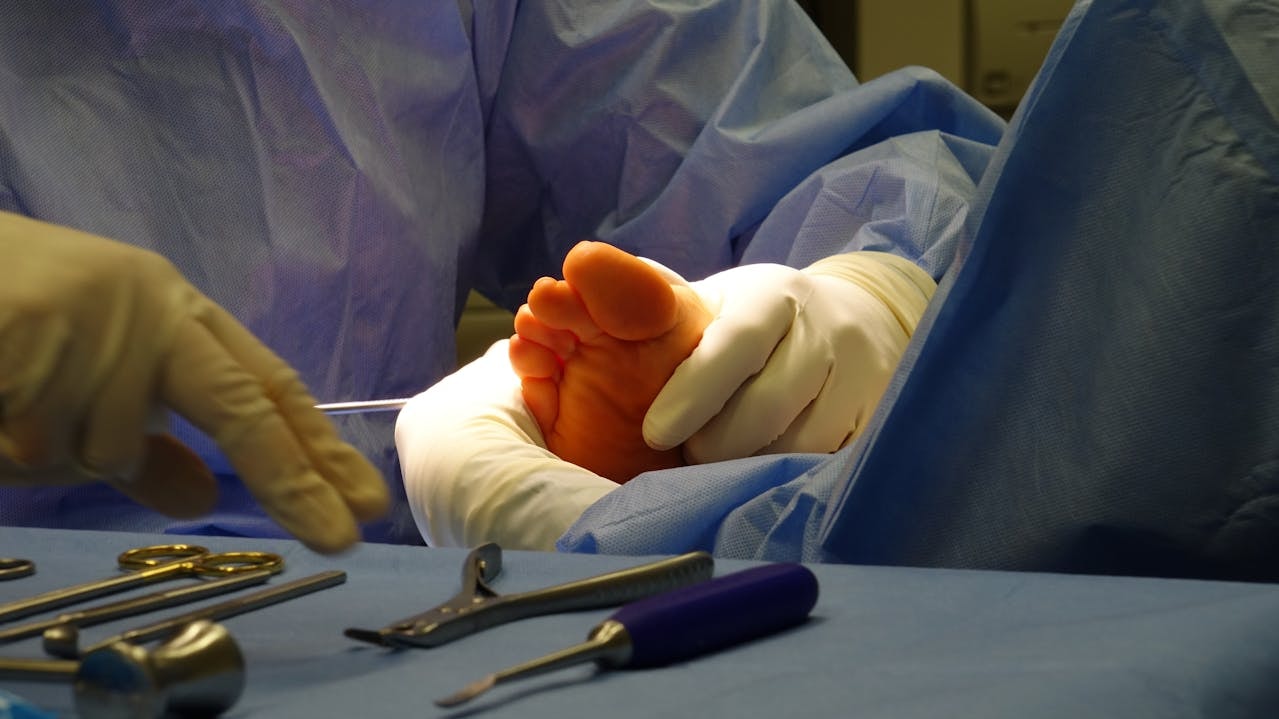
Bunion surgery techniques vary based on the deformity’s severity and your individual needs, with each surgical procedure tailored to correct the bunion. Most procedures involve realigning bones and balancing soft tissues to relieve pain and restore foot function.
Distal Metatarsal Osteotomy (Mild to Moderate Bunions)
- This procedure involves making a V-shaped cut near the end of the first metatarsal bone to realign the big toe and correct mild to moderate bunion deformities. It is often combined with soft tissue balancing to improve big toe alignment and function.
Lapidus Bunionectomy (Moderate to Severe Bunions)
- The Lapidus procedure fuses the first metatarsal bone to the medial cuneiform bone to stabilize the joint and correct moderate to severe bunion deformities. It is especially useful for patients with hypermobility or instability of the first ray and helps prevent bunion recurrence.
Big Toe Joint Fusion (Arthrodesis)
- This surgery fuses the bones in the big toe joint and is typically reserved for severe bunions or cases complicated by arthritis. While joint motion is lost, it provides significant pain relief and improved stability.
Recovery Basics and Realistic Timeline

Recovery depends on the type of surgery performed and the severity of the bunion. Recovery from bunionectomy can range from 4 weeks to 6 months. Most people are walking in a protective boot fairly early, but swelling and return to regular shoes can take months. Recovery times for bunion surgery vary depending on the procedure and individual healing, but generally follow a pattern based on the type of surgery performed. Most patients will need:
- Protected weight bearing for the affected foot: Using a surgical boot or protective shoe as directed to reduce pressure on the joint during healing.
- Foot elevation and swelling management: Swelling can persist for several months.
- Physical therapy: To restore foot strength and range of motion.
- Gradual return to shoes and activities: Usually over weeks to months, depending on procedure severity.
- Keeping the incision and dressings dry until your provider says it’s safe to get them wet.
- Attending follow up appointments: It is important to attend all follow-up appointments so your doctor can monitor your progress and ensure your foot heals properly.
Risks and How We Reduce Them
Complications of bunion surgery can include ongoing pain, infection, and the possibility of needing a second surgery, in addition to risks such as hardware problems, nonunion, or recurrence. Proper bunion correction techniques, careful surgical planning, adherence to postoperative instructions, and close follow-up are essential to minimize these complications and promote optimal healing.
When to Schedule an Evaluation in Brookfield
If you experience persistent bunion pain, difficulty with footwear, or changes in foot function, schedule an evaluation at Wisconsin Foot & Ankle Clinic in Brookfield, WI. Our experienced foot and ankle specialists will assess your condition using weight-bearing X-rays and develop a personalized treatment plan tailored to your goals and lifestyle.
Understanding the modern approach to bunionectomy surgery can empower you to make informed decisions and take the first step toward pain relief and improved foot comfort. Contact us today to learn more about your options and start your path to comfortable, active living.


